
🐾 Shelter Dog Corner 🐾
More Articles Coming SOON!
Thinking about adopting a dog? Already brought one home? This section is dedicated to helping shelter dogs and their new families succeed.
Adopting a dog can be one of the most rewarding experiences you'll ever have, but it also comes with unique challenges. Many shelter dogs are adjusting to major life changes and need patience, structure, training, and understanding as they settle into their new homes.
Whether you're considering adoption, recently adopted, or looking for ways to help shelter dogs in your community, you'll find valuable information here.
Featured Articles
Nine months ago, I met a little dog who would completely steal my heart.
Nia was found abandoned, severely underweight, and suffering from a badly broken
leg. She was in rough shape and desperately needed veterinary care, so I took her
to PACC. Because of the severity of her injuries, she required far more medical
attention than I could provide on my own.
The First 30 Days After Adopting a Dog
What to expect during the critical first month and how
to set your new dog up for success.
Understanding the adjustment period many shelter
dogs experience.
Common Mistakes New Adopters Make
Avoid the pitfalls that often lead to frustration
and behavior problems.
Building Trust With A Shelter Dog
Helping fearful or uncertain dogs gain
confidence.
Introducing Your New Dog To Existing Pets
Tips for successful introductions and preventing
conflict.
Crate Training Your Rescue Dog
Why crates can help provide security and
structure.
Helping your new dog become comfortable
when left alone.
Understanding that every shelter dog adjusts differently.
Why Structure Creates Security
How routines and boundaries help dogs feel safe.
Why Shelter Dogs Get Returned (And How To Prevent It)
Bringing home a shelter dog can be one of the most rewarding experiences you'll ever have.
Unfortunately, many dogs are returned to shelters every year—not because they are bad dogs,
but because their new families were unprepared for the realities of adoption.
The First Night Home: What To Expect
Bringing home a shelter dog is exciting, emotional, and often a little stressful—for both you
and your new companion. Many adopters expect the first night to feel like the end of the journey,
but for your dog, it's actually the beginning.
Helping a Fearful Rescue Dog Adjust
Bringing home a rescue dog can be one of the most rewarding experiences of your life.
Unfortunately, many shelter dogs come with emotional baggage. Some have been neglected,
abandoned, abused, or simply lacked proper socialization. As a result, it is not uncommon for
newly adopted dogs to be fearful of people, sounds, new environments, or everyday situations.
The good news is that most fearful dogs can learn to become confident companions when
given time, patience, and proper guidance.
When people adopt a shelter dog, one of the first things they often want to do is take their
new companion for long walks, visit parks, meet neighbors, and start exploring the world
together. While that excitement is understandable, many newly adopted dogs actually
benefit from something much simpler in the beginning: a decompression walk. A
decompression walk is not about exercise, obedience training, or burning off energy.
Its primary purpose is to allow a dog to relax, process their surroundings, and explore
the environment at their own pace. For many shelter dogs, decompression walks can be an
important part of helping them adjust to their new lives.
When people visit a shelter looking for a new companion, puppies and young dogs often receive most of the attention. Meanwhile, older dogs frequently sit in kennels waiting weeks, months, or even years for someone to give them a chance. That's unfortunate because senior dogs can make some of the best companions you'll ever own. While puppies are cute and energetic, older dogs offer something many adopters eventually discover they value even more: stability, predictability, and gratitude. If you've never considered adopting a senior dog, you may be overlooking one of the shelter's greatest treasures.
When people think about helping shelter animals, adoption is usually the first thing that comes to mind. While adoption is incredibly important, there is another way ordinary people can make an enormous difference in the lives of homeless animals: Fostering. In fact, foster homes are often one of the most valuable resources a shelter or rescue organization can have. They provide temporary care, stability, and safety for animals that may otherwise struggle to find a permanent home. Simply put, foster homes save lives.
Volunteering At A Shelter Explained
When people think about helping homeless animals, they often assume their only options are adopting or fostering. While both are wonderful ways to make a difference, there is another incredibly important way to help: Volunteering. Animal shelters depend heavily on volunteers to help care for animals, support staff, assist visitors, and improve the quality of life for the dogs and cats waiting for homes. In many cases, volunteers are the unsung heroes who help keep shelters running smoothly every day. If you've ever considered volunteering at a shelter but weren't sure what it involves, this article is for you.
When people visit an animal shelter, they often make quick judgments about the dogs they see in the kennels. One dog is barking wildly at the gate. Another is spinning in circles. A third is cowering in the back corner. Some appear aggressive. Others seem depressed. Some may completely ignore visitors altogether. What many people don't realize is that they may not be seeing the dog's true personality. They may be seeing kennel stress. Understanding kennel stress is one of the most important things potential adopters, volunteers, and shelter supporters can learn because it often explains why dogs behave so differently inside a shelter than they do once they leave.
Why Some Great Dogs Get Overlooked
Every day, people walk through animal shelters searching for their next best friend. Some dogs attract attention immediately. They're standing at the front of the kennel with wagging tails, making eye contact, and eagerly greeting every visitor who passes by. Others are not so lucky. Some of the very best dogs in the shelter are passed over day after day, week after week, and sometimes month after month. Not because they are bad dogs, but because potential adopters never get the opportunity to see who they truly are. If you've ever wondered why certain dogs seem to remain in shelters far longer than others, the answer is often more complicated than people realize.
Preparing Your Home Before Adoption
Bringing home a shelter dog is exciting, but successful adoptions begin long before your new companion walks through the front door. Many people spend weeks searching for the right dog, yet very little time preparing their home for the dog's arrival. Taking a few simple steps beforehand can help reduce stress, prevent problems, and make the transition smoother for both you and your new family member. The more prepared you are, the better chance your new dog has of settling in successfully.
Thinking About Adopting?
Before adopting, ask yourself:
✔ Do I have the time to properly train a dog?
✔ Can I provide daily exercise and mental stimulation?
✔ Am I prepared for an adjustment period?
✔ Can I afford routine veterinary care?
✔ Am I willing to work through behavior challenges?
If the answer is yes, adoption may be one of the best decisions you'll ever make.
Walkers K9 Services Shelter Dog Discount
As part of our commitment to helping adopted dogs succeed, Walkers K9 Services offers 50% off our Basic Obedience Class for any dog adopted from a county shelter or humane society.
That reduces the cost of our six-week Basic Obedience Class to just $75.00. We believe every adopted dog deserves the opportunity to succeed in their new home.
Together, we can help more shelter dogs find—and keep—the loving homes they deserve.

PACC DOG OF THE WEEK
Adopt Our PACC Dog Of The Week While Its Being Promoted
Here And Walkers K9 Services Will Donate A
Free Basic Obedience & Advanced Obedience Group Class
Just Call 520-500-7202
A901376
Located At: Pima Animal Care Center - Tucson
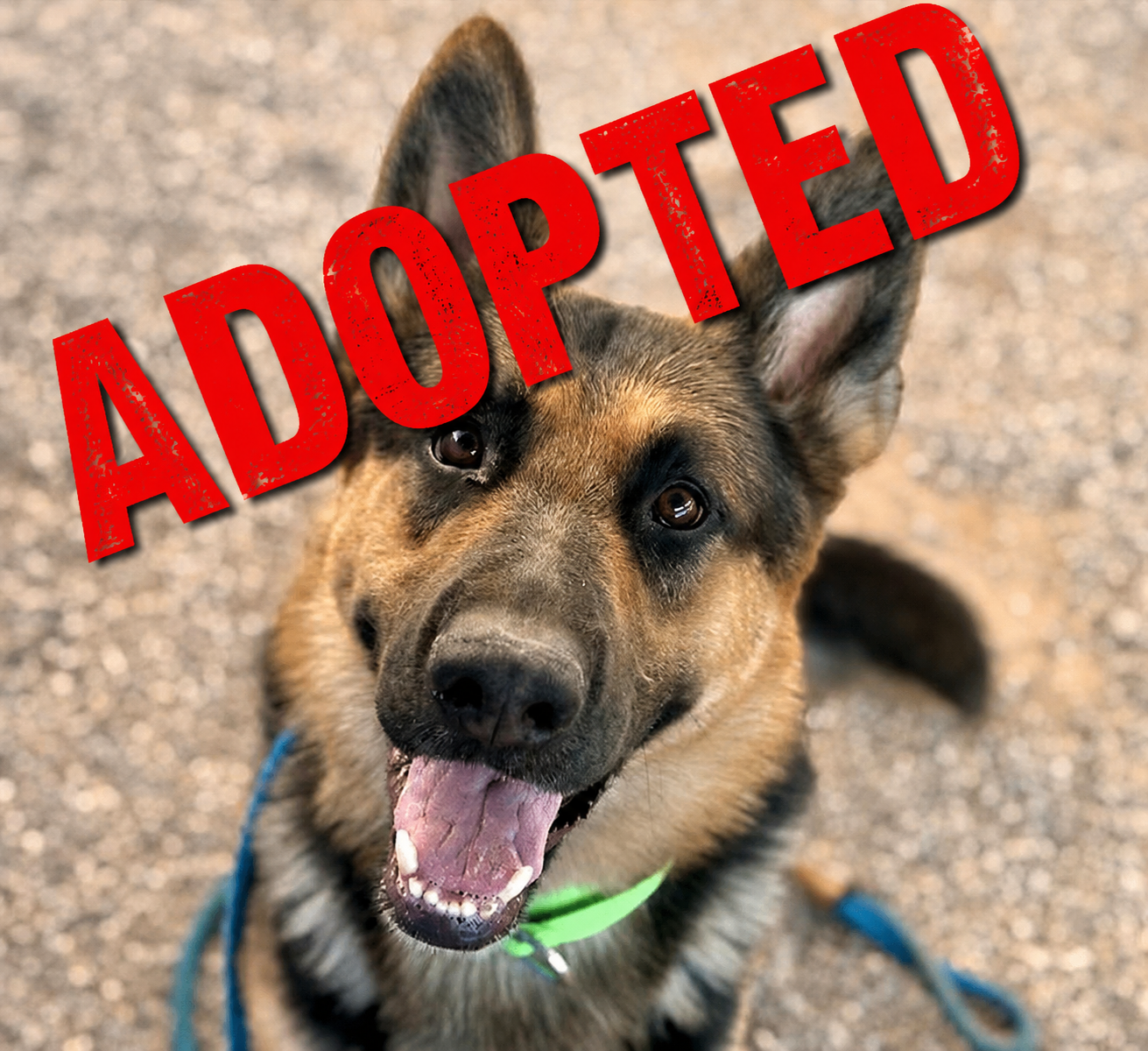
Description: My name is Theo.
I am a male, black and brown German Shepherd Dog.
Weight: I weigh approximately 65.00 lbs.
Age: The shelter staff think I am about 4 years old.
More Info: I have been at the shelter since Jun 09, 2026 and ready for adoption!
I am in Kennel D117.
If you are interested in adopting this pet, visit us during regular business hours. Please email pacc.adopt@pima.gov for any questions regarding the adoption process.
If you believe this is your lost pet, come down during regular business hours to reclaim or email pacclostandfound@pima.gov with any questions.
Bio: EMERGENCY PLACEMENT DEADLINE
CLOSE OF BUSINESS TUESDAY 06/16/26
AVAILABLE FOR ADOPTION ONLY THROUGH PACC
Name: Theo
Animal ID: A901376
Age: 4 years
Weight: 62.2lbs
Web Link: 24petconnect.com/PimaAdoptablePets/Details/PIMA/A901376
About: You might remember Theo from a few weeks ago, and if you thought you missed out on this amazing dog, here is your chance! Theo recently went home with a new adopter who reported that things were going great, that Theo was settling in very well, and that they were just about to start formal training together. Unfortunately, his new owner suddenly developed a concerning heart condition that left him physically unable to care for a dog, bringing Theo back to us through no fault of his own. Now, this drop-dead handsome German Shepherd is once again searching for an experienced adventure companion who understands the breed and can tap into the deep loyalty these dogs possess.
Since arriving back at the shelter, Theo has remained incredibly friendly, easy to leash, and an absolute pleasure to walk. He is deeply people-oriented and much prefers interacting with humans over other animals. While out in our play yards, he focuses his attention entirely on the people present, demonstrating just how much he craves human companionship and affection. We have no doubt that Theo will thrive and excel in the right, structured environment.
Because we prioritize safety and full transparency, it is important for potential adopters to know his full history. Before his original arrival at the shelter, Theo was surrendered due to fatally injuring another dog in a previous home. We have limited details on that event, but during his shelter playgroup assessments, he has shown to be highly selective with other dogs, displays stiff body language during greetings, and can be quite barrier reactive. He would much rather be the king of the castle and receive all of your love to himself.
For these reasons, we are strictly requiring that Theo goes to a home with no other animals, including dogs, cats, or small pets. He needs a secure, well-managed environment where he can be your sole companion. Theo is waiting here to show you what a truly good boy he can be—come meet him and give him the dedicated forever home he deserves!
Available for adoption ONLY through PACC.
Interested parties:
Must visit PACC before the COB TUESDAY June 16th 2026 deadline to meet with a counselor who will review notes and introduce you to the dog to ensure that it’s a good fit. Some dogs may also require an introduction to any dogs they may potentially live with.
Home Management Plan
Fatally Injured Another Animal:
• Theo has a documented history of fatally injuring another animal.
• Incident Details: Theo was fence fighting with the other dog in the home, when he jumped the pool fence, fatally injuring the other dog
No Other Dogs:
• Theo is not suitable for a home with other dogs.
• Reason: fatally injured another dog
• Management: They should be the only dog in the household. Avoid dog parks, group walks, or introductions to unfamiliar dogs to maintain safety and reduce stress.
• Behaviors could improve with proper management and/or professional training.
Possible Containment Issues:
• Theo has a known history of escaping enclosed spaces or roaming when unsupervised.
• Escape Method: jumped pool fence
• Supervision and Safety: Keep them on leash until fully acclimated to the home and routine. Do not leave unattended outdoors or in unsecured areas.
• Preventative Measures: Ensure fences are secure and at an appropriate height. Regularly check gates, latches, and weak points for damage or loose areas.
• Longline Use: When spending time outdoors in an enclosed yard, use a longline to give them extra space to explore while keeping them safe and under control. Do NOT use tie-outs; the leash should be always held and maintained by the handler. Should NOT be used in unenclosed or public spaces.
Data Updated: This information was refreshed 28 minutes ago.
Shelter information
Location: Pima Animal Care Center - Tucson
Website: www.pima.gov/2233/Pima-Animal-Care-Center-PACC
Address: 4000 North Silverbell Road
Tucson, AZ 85745