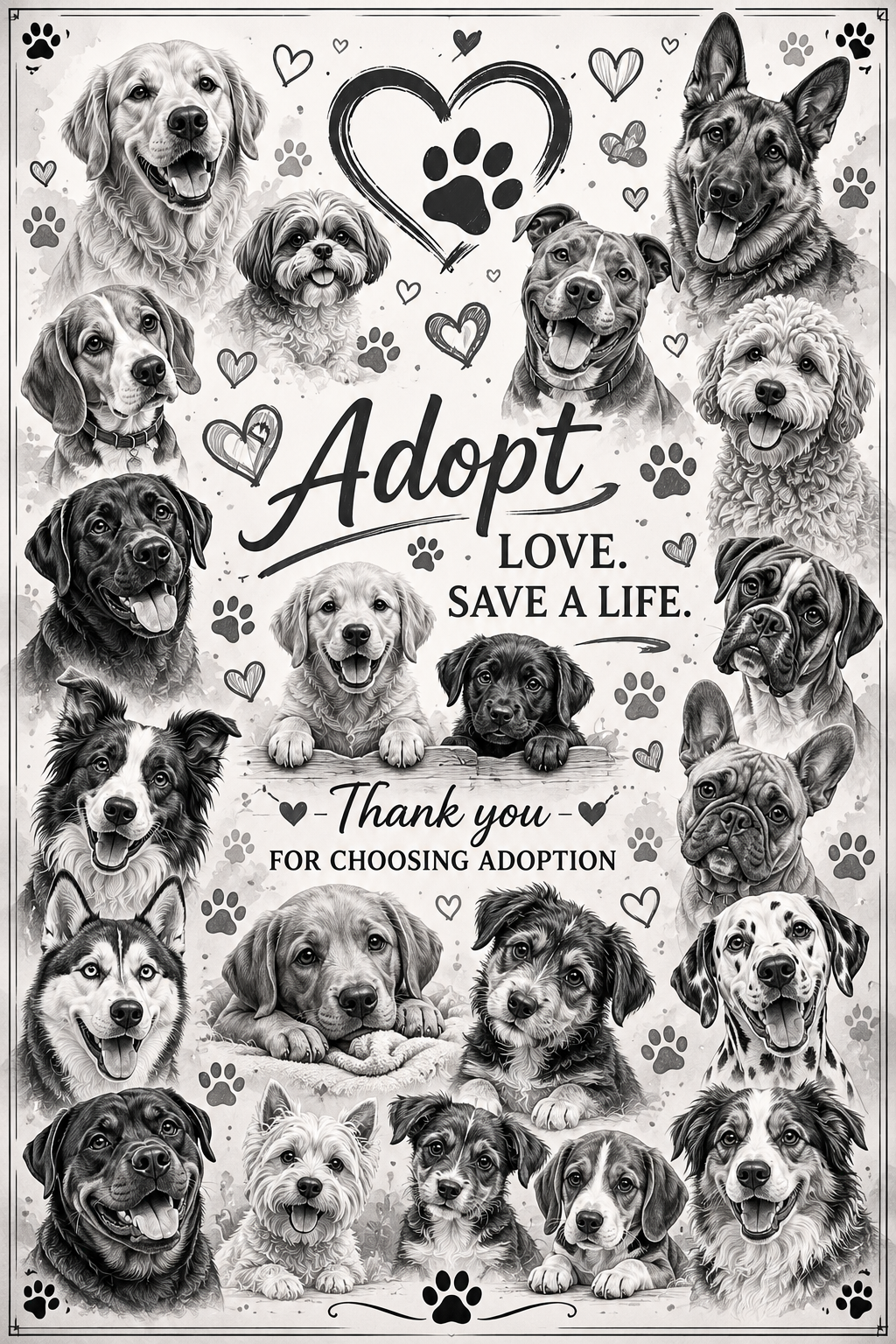
Common Mistakes New Adopters Make
By George Walker, Walkers K9 Services – Tucson, AZ
Adopting a dog can be one of the most rewarding experiences you'll ever have. Every adoption gives a deserving dog a second chance at a loving home. However, many new adopters unintentionally make mistakes that can create confusion, frustration, and behavior problems during the adjustment period.
The good news is that most of these mistakes are easy to avoid once you understand what your new dog needs.
Mistake #1: Expecting Too Much Too Soon
Many adopters expect their new dog to settle in immediately.
In reality, your dog has just experienced a major life change. They may be leaving behind familiar people, dogs, routines, and surroundings.
Some dogs adjust quickly.
Others need weeks or even months to fully settle in.
Patience is one of the most important gifts you can give a newly adopted dog.
Mistake #2: Giving Too Much Freedom
Many owners feel sorry for their new dog and immediately allow unrestricted access to the entire house.
Unfortunately, too much freedom often leads to:
House training accidents
Chewing
Counter surfing
Separation issues
General confusion
Freedom should be earned gradually as the dog proves they can handle it responsibly.
Mistake #3: Skipping The Crate
Many people view crates as punishment.
In reality, a properly introduced crate can provide security and stability for a newly adopted dog.
Many shelter dogs find comfort in having a quiet space they can call their own.
Crates also help prevent unwanted behaviors while the dog is still learning household rules.
Mistake #4: Feeling Sorry For The Dog
This may sound harsh, but constantly feeling sorry for a dog can actually hold them back.
Compassion is important.
Pity is not.
Dogs need:
Structure
Boundaries
Leadership
Training
Not endless sympathy.
The goal is to help your dog move forward, not remain stuck in the past.
Mistake #5: Waiting To Start Training
Many adopters believe they should wait several weeks before introducing training.
I disagree.
Training should begin on day one.
Simple training helps:
Build communication
Create structure
Increase confidence
Strengthen your relationship
Training doesn't need to be complicated. Even basic obedience can help a dog settle into their new home.
Mistake #6: Introducing Too Much Too Fast
A common mistake is trying to show the dog everything immediately.
This includes:
Dog parks
Pet stores
Family gatherings
Restaurants
Busy public places
Many rescue dogs are already overwhelmed.
Keep life simple during the adjustment period.
Allow your dog time to process one change at a time.
Mistake #7: Ignoring House Rules
Some adopters delay enforcing rules because they don't want to be "mean."
The problem is that inconsistent rules create confusion.
If the dog isn't allowed on the furniture, establish that rule immediately.
If jumping isn't allowed, address it immediately.
Dogs do best when expectations are clear and consistent.
Mistake #8: Comparing The Dog To Your Last Dog
Every dog is different.
Your previous dog may have been perfectly trained, calm, and predictable.
Your new dog may have completely different strengths and weaknesses.
Allow your new dog to become their own dog instead of constantly comparing them to the one who came before.
Mistake #9: Overlooking Mental Exercise
Many people focus entirely on physical exercise.
While walks are important, dogs also need mental stimulation.
Training sessions, problem-solving activities, and learning new skills often tire a dog more effectively than simply running around the yard.
A tired mind often creates a calmer dog.
Mistake #10: Giving Up Too Soon
Some adopters become discouraged when problems appear during the first few weeks.
Remember:
Many dogs don't fully reveal their personality until they begin feeling comfortable.
Challenges during the adjustment period are normal.
Behavior issues do not automatically mean you adopted the wrong dog.
Most problems improve dramatically when the dog receives time, structure, consistency, and training.
The Goal Is Progress, Not Perfection
No dog is perfect.
No owner is perfect.
The goal during the first few months is not perfection.
The goal is progress.
Every successful adoption is built on patience, consistency, and realistic expectations.
Final Thoughts
Most adoption challenges are not caused by bad dogs.
They are caused by misunderstandings, unrealistic expectations, or a lack of structure.
By avoiding these common mistakes, you'll give your new companion the best possible chance to succeed.
Your rescue dog doesn't need perfection.
They need patience.
They need guidance.
They need leadership.
Most of all, they need someone willing to give them the time they deserve.
Walkers K9 Services
Building Better Dogs One Lesson At A Time
Serving Tucson, Marana AZ, And All Surrounding Areas
📞 520-500-7202