Why Rattlesnakes Are Active During the Day in Late Winter, Early Spring and Fall in Southern Arizona
By George Walker, Walker’s K9 Services – Tucson, AZ
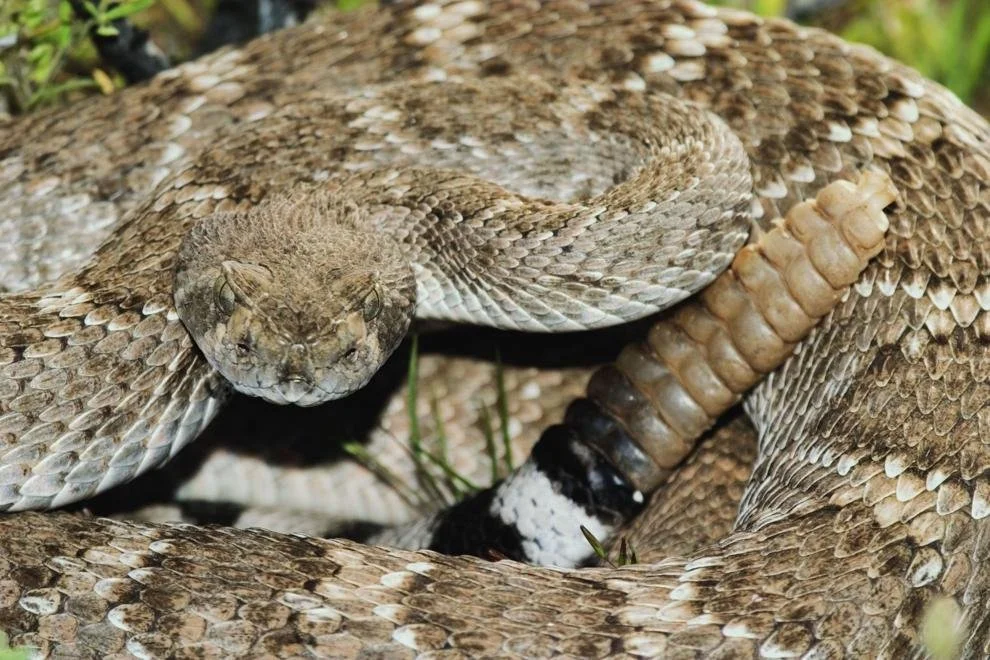
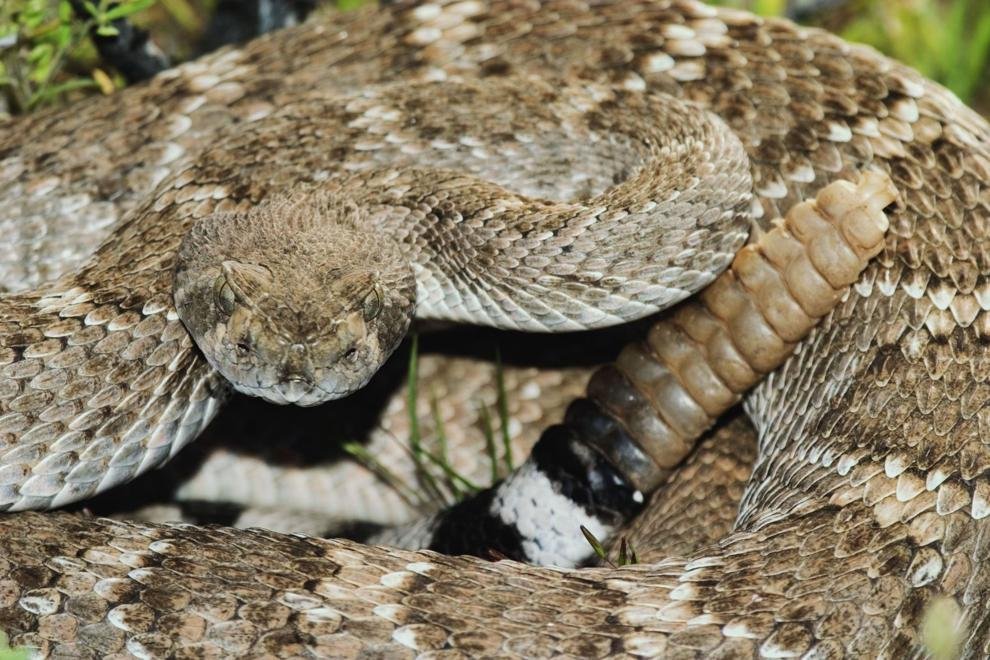
If you live in southern Arizona, you may be surprised to see rattlesnakes out and about during the daytime in late winter, early spring and fall. Many people associate rattlesnakes with hot summer nights, but seasonal behavior in the Sonoran Desert tells a very different story. Understanding why rattlesnakes emerge during daylight hours this time of year can help keep people, and pets safer.
Cold Nights, Warm Days: The Main Reason
Late winter, early spring and fall in southern Arizona are marked by cool nights and
mild, sunny days. Rattlesnakes are ectothermic (cold-blooded), meaning they rely on
external heat sources to regulate their body temperature.
During this period:
Nighttime temperatures are often too cold for activity
Daytime sun provides safe, efficient warmth
Rocks, pavement, and packed soil absorb heat quickly
As a result, rattlesnakes shift their activity to daylight hours to bask and warm up,
allowing their bodies to function properly.
Emerging From Brumation
Rattlesnakes do not truly hibernate, but instead enter a state called brumation during
colder months. In southern Arizona, this typically lasts from late fall through mid-winter.
As temperatures begin to rise:
Snakes leave dens to warm themselves
Short daytime outings become more frequent
Activity increases gradually, not all at once
These early movements often occur close to den sites, which are commonly found on rocky hillsides, washes, and desert edges near residential areas.
Daytime Hunting in Early Spring
Early spring also marks a return of prey activity. Rodents begin moving more during daylight hours as food becomes more available.
Rattlesnakes take advantage of this by:
Hunting during warm daylight periods
Staying near rodent burrows and pack rat nests
Remaining still and well-camouflaged, making them hard to spot
This combination of basking and hunting increases the chance of unexpected daytime encounters.
Why This Matters for Dog Owners
For dog owners in southern Arizona, late winter, early spring and fall are a high-risk transition period. Many people assume rattlesnakes are not active yet and let their guard down.
Key risks include:
Dogs exploring brush during daytime walks
Snakes lying motionless and unnoticed
Off-leash dogs entering washes or rocky terrain
Daytime snake activity means encounters can happen during normal walks, hikes, or backyard time—not just at night.
Where You’re Most Likely to See Them
In southern Arizona, daytime rattlesnake sightings are most common:
Along desert trails and washes
Near rock piles, retaining walls, and debris
In areas bordering open desert or undeveloped land
On warm pavement or concrete in the morning hours
These are heat-collecting surfaces that snakes use to warm up quickly.
What You Can Do to Reduce Risk
While rattlesnakes play an important role in the ecosystem, you can reduce unwanted encounters by:
Keeping yards clear of brush, woodpiles, and debris
Controlling rodent populations
Keeping dogs on leash in desert areas
Watching where you step and where your dog investigates
Most importantly, training dogs to recognize and avoid rattlesnakes can be a lifesaving measure.
The Takeaway
Seeing rattlesnakes during the daytime in late winter, early spring and fall is normal behavior in southern Arizona. Cooler nights, warming daytime sun, and emerging prey all contribute to this seasonal shift.
Being aware of this pattern allows residents and dog owners to stay alert, take precautions, and coexist safely with native wildlife during one of the most active transition periods of the year. Rattlesnake Aversion training for your dog drastically decreases the odds of your beloved pet getting bit.
Walkers K9 Services — Building Better Dogs, One Lesson at a Time
Please support our mission by sharing our training articles with other dog owners.
Written by: George Walker
Walkers K9 Services | Tucson, AZ
520-500-7202