Why I Hate the Term “Furbaby”
By George Walker, Walker’s K9 Services – Tucson, AZ
The dog training world is full of trends, catchy phrases, and feel-good labels. Some come
and go without doing much harm. But there’s one word that I hear constantly—one that
makes my skin crawl every time it leaves someone’s mouth:
“Furbaby.”
I don’t dislike it because I don’t love dogs. Anyone that truly knows me knows that I
would kill someone for hurting one of my dogs. I’ve dedicated my entire life to training
them, understanding them, advocating for them, and helping owners build healthy,
respectful relationships with the animals they share their homes with. I dislike it
because this one innocent-sounding word causes more behavioral issues than
most people realize.
Below is exactly why I wish we could retire the term—and the mindset that comes
with it—forever.
1. “Furbaby” Encourages People to Treat a Dog Like a Human
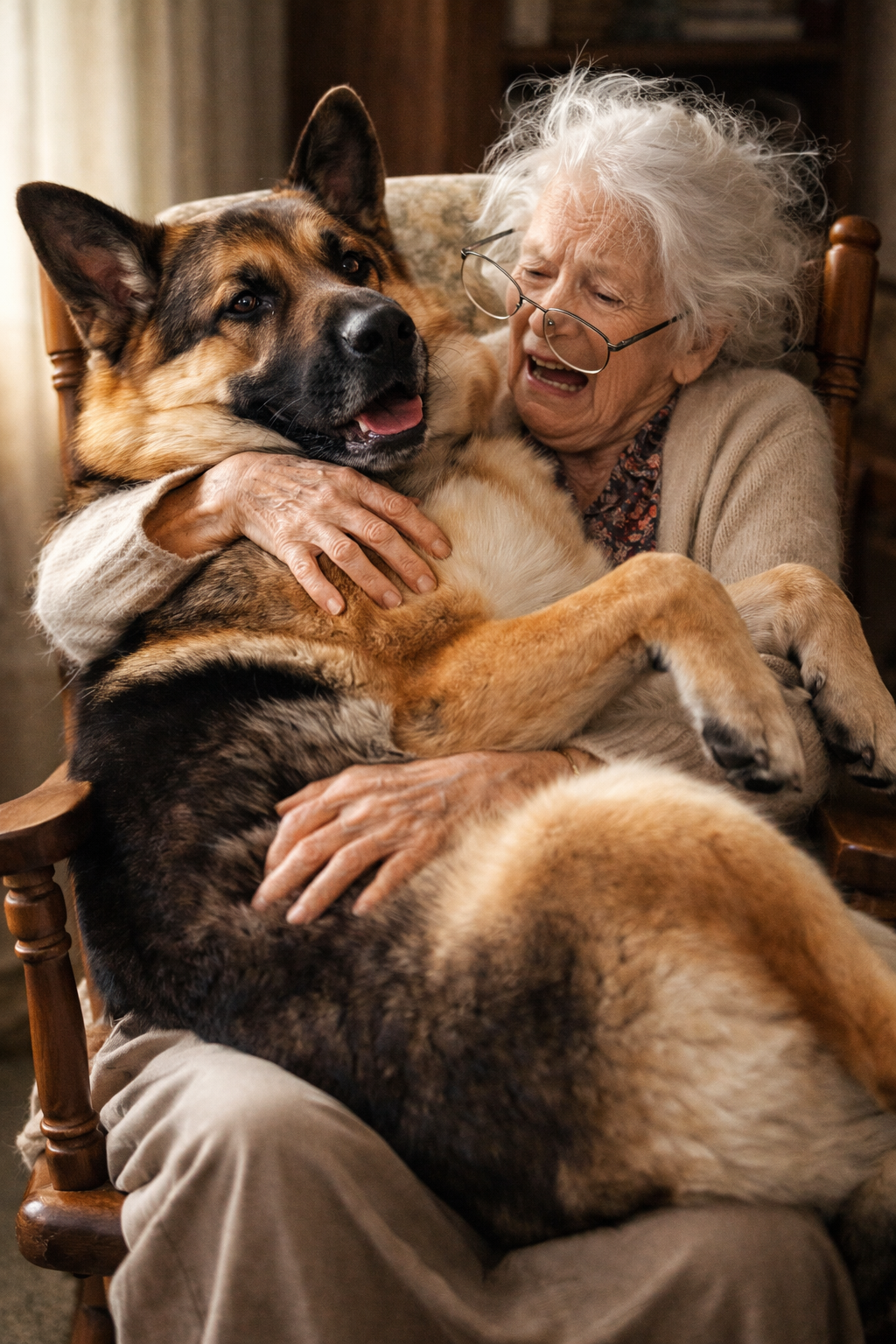
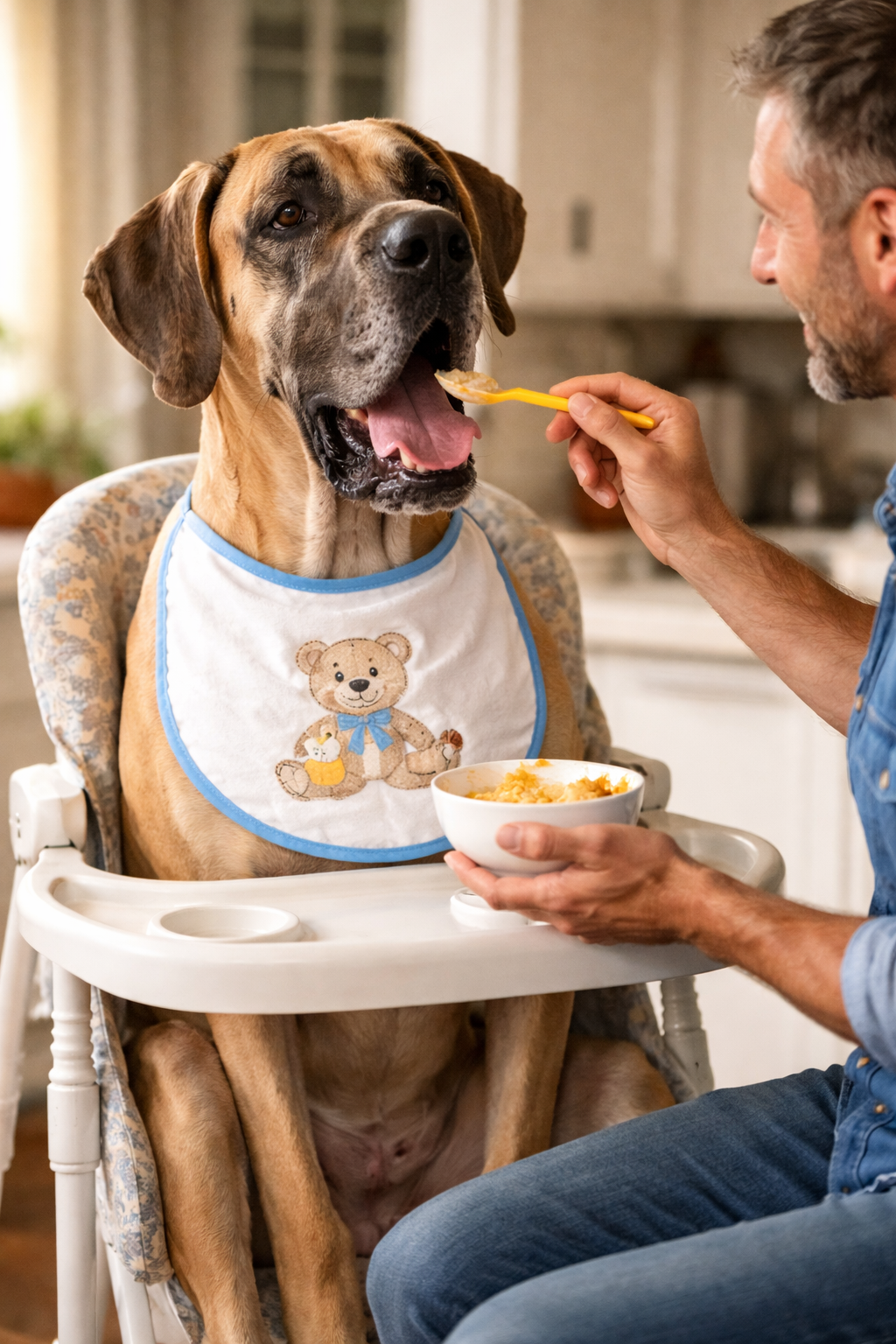
Dogs are amazing. They are loyal, intuitive, emotional, and deeply bonded to us. But they are not little humans with fur, and the moment we start treating them like they are, things go downhill fast.
Calling a dog a “furbaby” often leads owners to:
Over-coddle
Overprotect
Overindulge
Avoid rules or structure
Excuse bad behavior because “he’s my baby”
Dogs don’t need babying. They need leadership, clarity, and expectations—not constant
pampering.
2. Humanizing Dogs Creates Anxiety, Not Happiness
When we project human emotions, human logic, and human needs onto a dog, we
unintentionally create psychological chaos for them.
A “furbaby” mindset makes people think:
“He doesn’t like the crate—so I shouldn’t use one.”
“She’s too sensitive for boundaries.”
“He must sleep on my pillow or he’ll feel unloved.”
But dogs thrive on:
Structure
Routine
Guidance
Independence
Calm energy
When a dog is treated like an infant who must be constantly comforted, they often
become:
Clingy
Nervous
Possessive
Destructive
Reactive
Humanizing doesn’t honor the dog. Understanding the dog does.
3. It Undermines a Healthy Leader–Follower Relationship
A dog’s brain is wired for social hierarchy, not co-parenting.
When someone sees their dog as a “baby,” they often try to become:
A friend
A caretaker
A roommate
A human parent
But a dog doesn’t need a parent—they need a calm, confident leader they can trust.
Dogs feel safest when someone else is clearly steering the ship.
You don’t lead a dog by coddling them.
You lead by giving direction, praising good behavior, correcting unwanted behavior, and building trust through consistency.
4. It Creates Entitled, Pushy Behaviors
Dogs treated like “furbabies” tend to:
Jump on guests
Demand attention
Guard the couch or owner
Bark for what they want
Ignore commands
Throw “tantrums” when they don’t get their way
These are not “cute quirks” of a spoiled baby—these are behavioral problems created by a lack of boundaries.
A dog with rules is a happy dog.
A dog with none becomes the ruler of the house.
5. It Makes Training Harder
One of the biggest obstacles trainers face is not the dog—it’s the owner’s emotional interpretation of the dog.
When someone sees their dog as a “furbaby,” they often resist:
Crate training
Obedience work
E-collar training
Correcting behavior
Teaching independence
Enforcing boundaries
Training requires clarity, not coddling.
Dogs flourish when the human gives them direction, not excuses.
6. Dogs Deserve to Be Dogs—Not Babies
Dogs:
Chew
Sniff
Bark
Dig
Explore
Learn through structure
Communicate differently than we do
When we treat them like four-legged toddlers, we strip away the very things that make dogs incredible.
I love dogs because they’re dogs—not because they imitate babies.
Respecting their instincts, psychology, and natural needs is the greatest gift we can give them.
7. The Relationship Gets Better When the “Baby” Label Goes Away
When owners stop seeing their dog as a fragile infant and start seeing them as:
A partner
A teammate
A companion
A student
A creature with its own instincts and needs
Everything improves.
Training becomes easier.
The dog becomes calmer.
The household becomes more peaceful.
And the bond becomes stronger—not weaker.
Final Thoughts
I don’t hate the term “furbaby” because I dislike affection. I hate it because it often leads well-meaning owners down the wrong path—one where emotional projection replaces good leadership.
Your dog doesn’t need to be your baby.
Your dog needs to be your dog.
And when you honor that, you get the very best version of them: balanced, confident, respectful, and deeply connected to you.
Dog Training in Tucson, AZ Dog Training in Marana, AZ Training Options
Walkers K9 Services — Building Better Dogs, One Lesson at a Time
Please support our mission by sharing our training articles with other dog owners.
Written by: George Walker
Walkers K9 Services | Tucson, AZ
📞 520-500-7202