What Happens When A Rattlesnake Bites A Dog
By George Walker, Walker’s K9 Services – Tucson, AZ
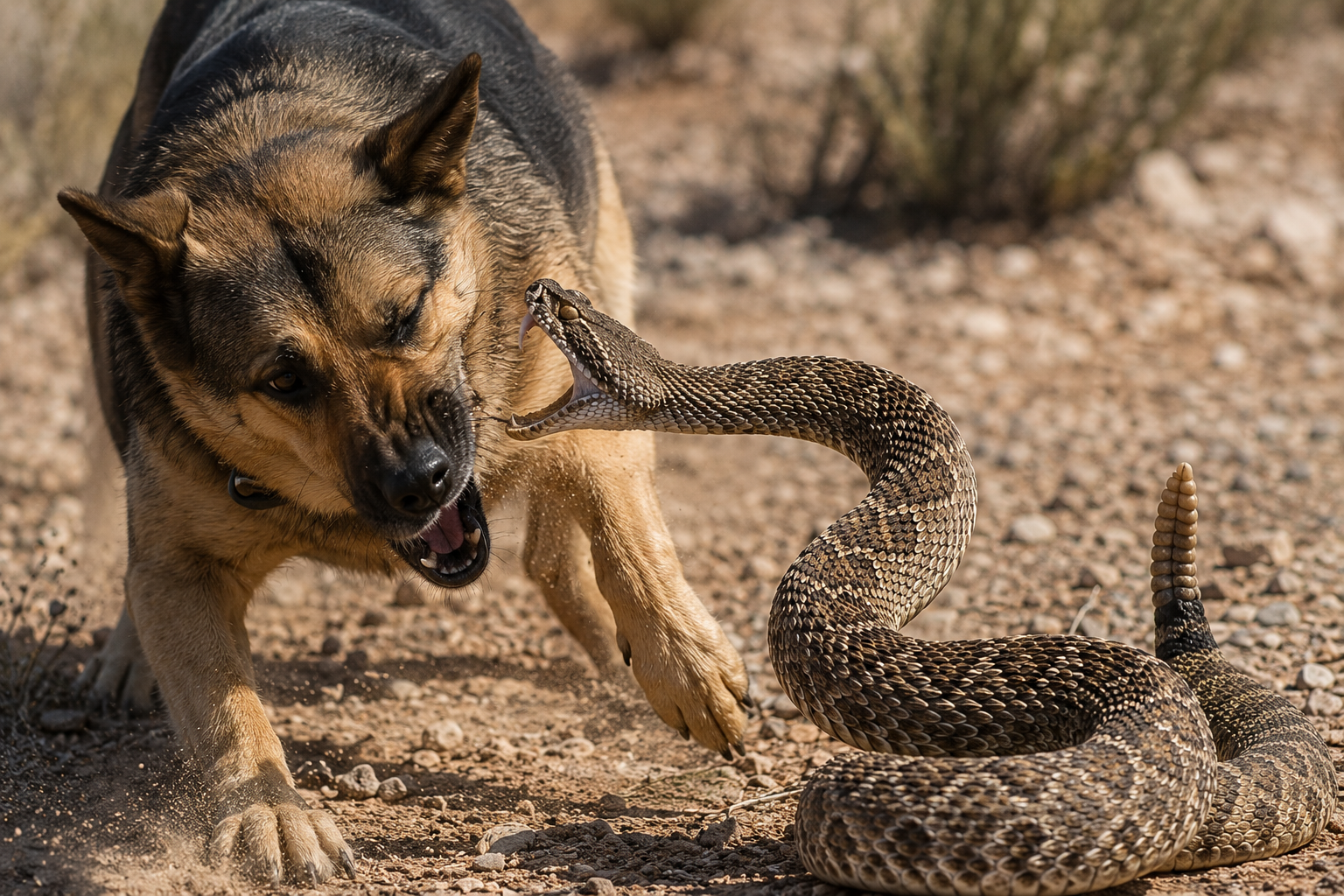
Living in Arizona means sharing the desert with rattlesnakes. Every year, countless dogs across Southern Arizona are bitten because they simply did what dogs naturally do — investigate movement, smell something unusual, or get too close out of curiosity. Unfortunately, a rattlesnake encounter can turn into a life-threatening emergency in seconds.
Many dog owners underestimate how serious a rattlesnake bite can be. Others believe myths like “small snakes are harmless” or “dogs usually survive.” The truth is far more complicated. Some dogs survive with quick medical treatment. Others suffer permanent damage or die from complications.
Understanding what actually happens during a rattlesnake bite could save your dog’s life.
Why Dogs Get Bitten
Dogs experience the world with their nose first. When they encounter a rattlesnake, they usually move closer instead of away. Most bites happen because the dog:
Sniffs the snake
Steps too close
Attempts to paw at it
Tries to chase it
Accidentally corners it
Most rattlesnake bites on dogs occur on:
The nose
Face
Lips
Front legs
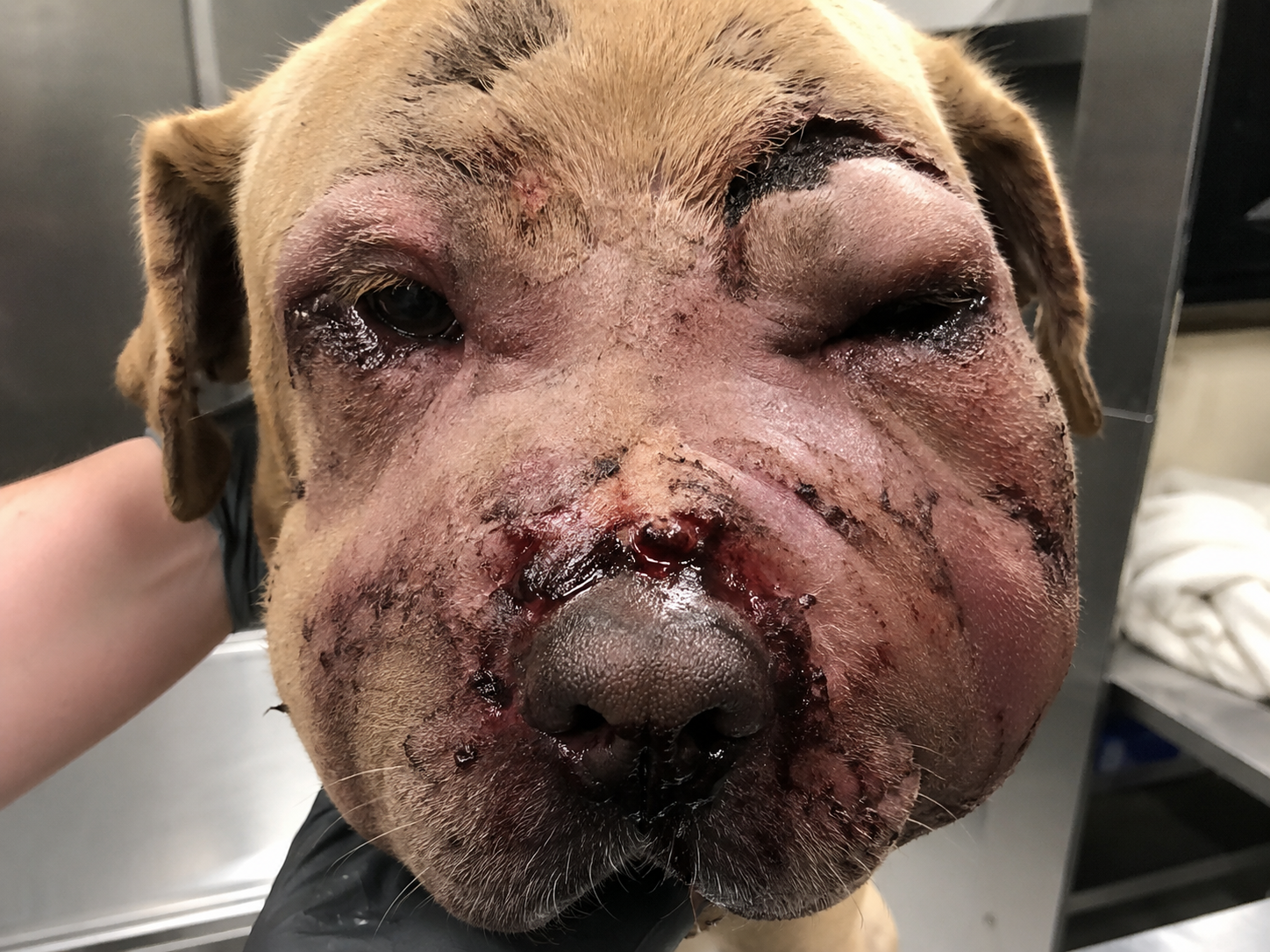
Unfortunately, facial bites can become extremely dangerous because swelling can rapidly affect breathing.
What Happens The Moment The Snake Strikes
When a rattlesnake bites, it injects venom through hollow fangs. Not every strike delivers venom, but many do. This is called “envenomation.”
Rattlesnake venom is not just one toxin. It is a complex mixture designed to:
Destroy tissue
Disrupt blood clotting
Damage blood vessels
Cause severe pain
Break down muscle
Affect the nervous system
Different rattlesnake species have different venom characteristics. In Arizona, dogs may encounter:
Western Diamondbacks
Mojave Rattlesnakes
Sidewinders
Black-tailed Rattlesnakes
The Mojave rattlesnake is especially dangerous because its venom can contain neurotoxins that affect the nervous system and breathing.
The First 5 To 30 Minutes
Symptoms can begin almost immediately.
Many owners describe hearing a yelp followed by sudden panic or confusion. Within minutes, you may notice:
Rapid swelling
Intense pain
Bleeding from fang punctures
Whining or crying
Shaking
Drooling
Vomiting
Weakness
Some dogs become extremely lethargic. Others become hyperactive from pain and adrenaline.
Swelling often spreads shockingly fast. A bite to the nose can make the dog’s entire face swell within an hour.
What The Venom Does Inside The Body
The venom begins attacking tissue almost immediately.
Tissue Destruction
The venom damages cells and blood vessels, causing tissue to die. This is why severe bites can leave permanent scars or areas of dead tissue.
Internal Bleeding Problems
Many rattlesnake venoms interfere with blood clotting. Dogs can begin bleeding internally even when you cannot see it.
Cardiovascular Stress
Venom can cause dangerous drops in blood pressure and place massive stress on the heart.
Nervous System Effects
Some venom affects nerve transmission. In severe cases, dogs may:
Lose coordination
Collapse
Experience paralysis
Have trouble breathing
Common Symptoms Of A Serious Bite
A dog suffering significant envenomation may show:
Severe swelling
Pale gums
Weakness
Collapse
Rapid heartbeat
Vomiting
Bloody discharge
Difficulty breathing
Glassy eyes
Shock
Shock is one of the deadliest complications. Once the body begins shutting down, survival chances drop rapidly without emergency treatment.
Why Small Dogs Are At Greater Risk
A Chihuahua and a German Shepherd may receive similar amounts of venom from the same snake. The smaller dog has far less body mass to dilute that venom.
This means:
Symptoms progress faster
Organ damage happens quicker
Shock can occur sooner
That does not mean large dogs are safe. Large dogs die from rattlesnake bites every year.
What You Should NEVER Do
Movies and old myths have created dangerous misinformation.
Do NOT:
Cut the wound
Attempt to suck out venom
Apply ice
Use a tourniquet
Give alcohol
Wait “to see what happens”
These methods can make things worse.
What You SHOULD Do Immediately
1. Stay Calm
Your dog will feed off your panic.
2. Keep The Dog As Still As Possible
Movement spreads venom faster through the body.
3. Carry The Dog If Possible
Especially smaller dogs.
4. Get To An Emergency Veterinarian FAST
Time matters enormously.
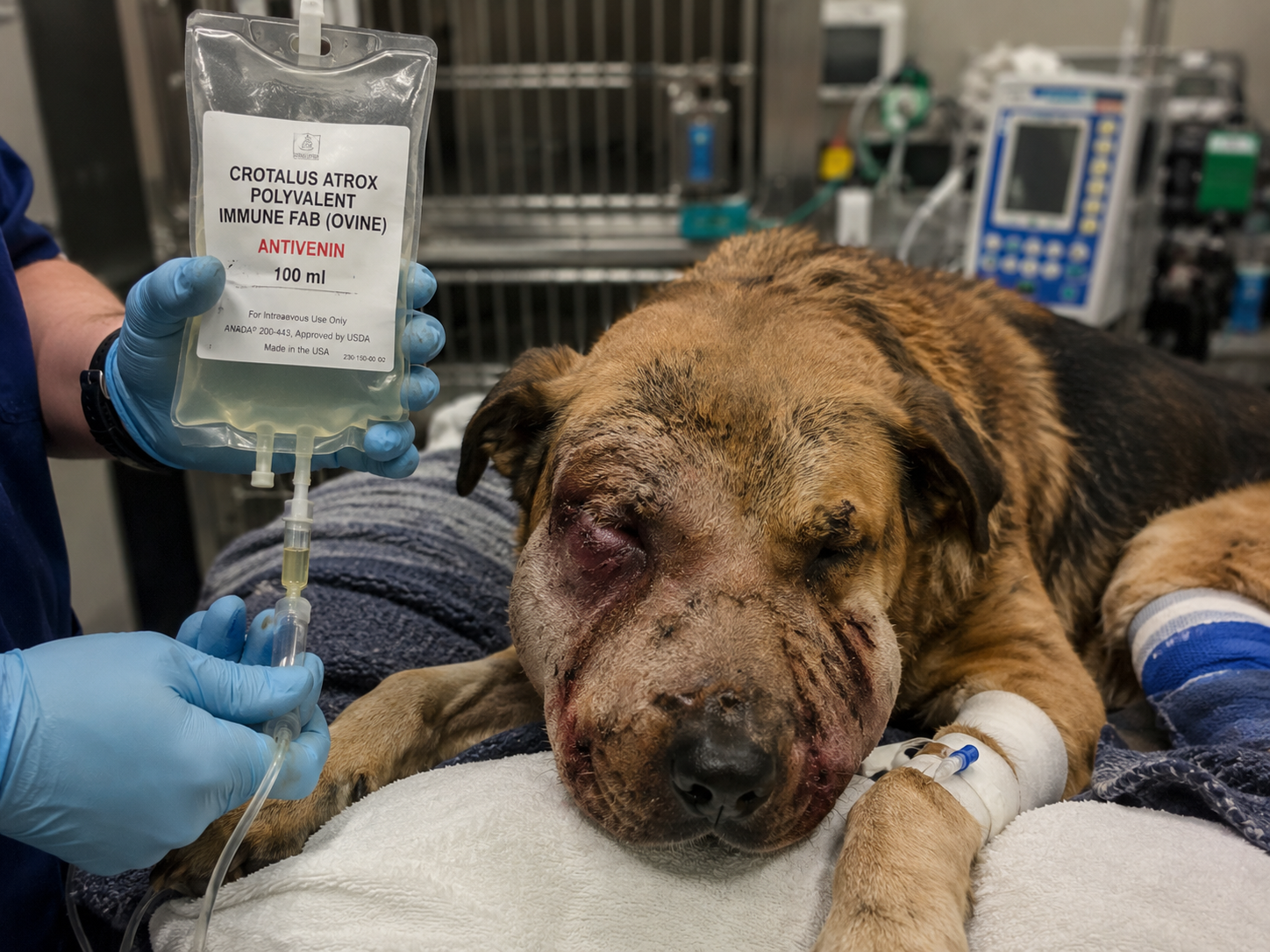
The faster antivenom and supportive care begin, the better the survival odds.
Veterinary Treatment
Treatment often includes:
Antivenom
IV fluids
Pain management
Blood clot monitoring
Oxygen support
Emergency airway management
Hospitalization
Antivenom can dramatically improve survival chances, but it is expensive and not always immediately available.
Some dogs require multiple vials depending on:
Snake species
Amount of venom injected
Size of the dog
Severity of symptoms
Can A Dog Survive Without Treatment?
Sometimes.
But this is where owners make dangerous assumptions.
A dog that “seems okay” initially can deteriorate hours later. Internal bleeding, organ damage, and swelling may continue progressing long after the bite.
Without treatment:
Risk of death rises significantly
Permanent tissue damage becomes more likely
Complications increase dramatically
Long-Term Damage
Even dogs that survive may experience:
Tissue necrosis
Permanent scarring
Organ damage
Nerve damage
Chronic pain
Reduced stamina
Severe bites can require surgical removal of dead tissue.
Prevention Is Far Better Than Treatment
The best rattlesnake bite is the one that never happens.
That is why rattlesnake avoidance training is so important in Arizona. A properly trained dog learns that the smell, sight, and presence of a rattlesnake means danger — not curiosity.
A single lesson can potentially save:
Your dog’s life
Thousands in emergency vet bills
Months of suffering
Many owners do not think about rattlesnake training until after an emergency happens. By then, it may already be too late.
Final Thoughts
A rattlesnake bite is not a minor injury. It is a medical emergency that can escalate with terrifying speed.
Dogs do not understand the danger of rattlesnakes. It is our responsibility as owners to protect them before an encounter ever happens.
In Southern Arizona, rattlesnakes are simply part of life. Whether you hike trails, live near desert washes, or just let your dog into the backyard at night, the risk is real.
Preparation matters. Awareness matters. Training matters.
And when seconds count, knowing what to do can mean the difference between life and death.
Walkers K9 Services — Building Better Dogs, One Lesson at a Time 🔹
Please support our mission by sharing our training articles with other dog owners.
Written by: George Walker
Walkers K9 Services | Tucson, AZ
www.WalkersK9Services.org
📞 520-500-7202