Vaccinations and Preventive Care Basics
By George Walker, Walker’s K9 Services – Tucson & Marana AZ
Disclaimer
The information provided in this article is for general educational purposes only and is not intended to replace professional veterinary advice, diagnosis,
or treatment. I am not a licensed veterinarian or medical professional. Dog health care, including vaccinations and medical decisions, should
always be discussed with and guided by a licensed veterinarian who can evaluate your dog’s individual health needs, lifestyle, age, and risk factors.
This article is meant to offer a general overview and help dog owners better understand common topics related to vaccinations
and canine health—not to serve as medical instruction. Always follow the recommendations, schedules, and guidance provided by your veterinarian.
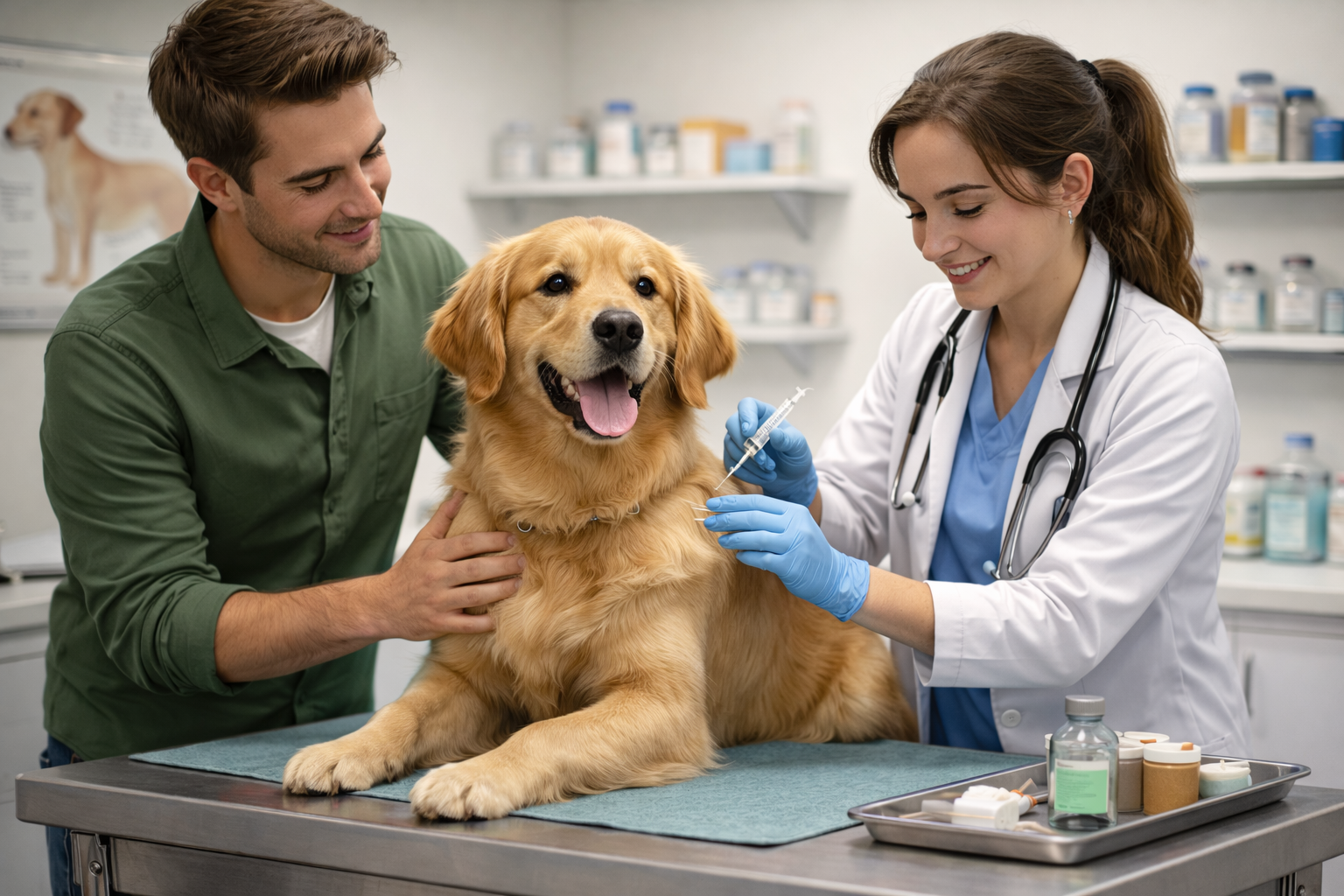
Keeping your dog healthy starts long before any training session, leash walk, or socialization opportunity. Proper vaccinations and preventive care form the foundation of a long, safe, and active life. As a trainer, I’ve seen firsthand how a dog’s physical well-being directly influences their behavior, confidence, and ability to learn. This article breaks down what every dog owner should know about core vaccines, optional vaccines, and essential preventive health routines. This is not intended as any form of medical advice. Please consult a licensed Veterinarian for all your medical needs.
Why Vaccinations Matter
Vaccinations protect your dog from dangerous—sometimes fatal—diseases. They work by stimulating the immune system to recognize and fight specific viruses or bacteria. Even if your dog spends most of their time at home, vaccines are crucial because many diseases are airborne, spread by wildlife, or live in soil and water.
Proper vaccination also protects the broader dog community. When more dogs are vaccinated, contagious diseases become less likely to spread at parks, kennels, training classes, and veterinary clinics.
Core Vaccines: The Essentials Every Dog Needs
Core vaccines are recommended for all dogs, regardless of lifestyle. These protect against widespread, severe diseases.
1. Rabies
Required by law in all states.
Fatal if contracted—there is no treatment.
Spread by infected mammals such as bats, skunks, foxes, and raccoons.
Typically given at 12–16 weeks old, then every 1–3 years depending on
local regulations.
2. Distemper
A contagious virus affecting the respiratory, gastrointestinal, and nervous systems.
Especially dangerous for puppies and unvaccinated adult dogs.
Often included in a combination vaccine (DHPP).
3. Parvovirus
Highly contagious and often fatal for puppies.
Spread through contaminated soil, surfaces, and feces.
Puppies require a series of parvo shots to build complete immunity.
4. Adenovirus (Hepatitis)
Protects against canine hepatitis, a viral disease affecting the liver.
Included in the DHPP combination vaccine.
Non-Core (Optional) Vaccines: Based on Lifestyle
These vaccines are recommended depending on your dog’s activities, environment, and exposure risk.
1. Bordetella (Kennel Cough)
Recommended for dogs that:
Attend boarding, daycare, grooming, or group training
Visit dog parks regularly
Live or interact in multi-dog households
2. Leptospirosis
Recommended for dogs that:
Hike, camp, or drink from natural water sources
Live in areas with wildlife or rodent populations
Leptospirosis is zoonotic, meaning it can spread to humans.
3. Lyme Disease
Recommended for dogs that:
Live in or travel to tick-heavy regions
Spend time in tall grass or wooded areas
4. Canine Influenza
Recommended for dogs:
At high-traffic dog facilities
Living in regions with current outbreaks
Puppy Vaccination Schedule
A typical puppy vaccination series begins at 5-8 weeks and continues every 3–4 weeks until 16 weeks.
The standard puppy series includes:
DHPP at 5-8, 10–12, and 14–16 weeks
Rabies at 12–16 weeks
Optional vaccines as recommended by your veterinarian
Keeping puppies on schedule is vital—missing or delaying boosters can leave them vulnerable to disease.
Adult Dog Vaccination Schedule
Adult dogs require regular boosters to maintain immunity.
Most veterinarians recommend:
DHPP every 1–3 years
Rabies every 1–3 years (per state law)
Lifestyle vaccines annually or as needed
Preventive Care Beyond Vaccines
Vaccinations are only one part of a complete preventive health plan.
1. Parasite Prevention
Year-round protection is essential, even in warm climates like Arizona. Talk to your vet
about consistent prevention for:
Heartworms
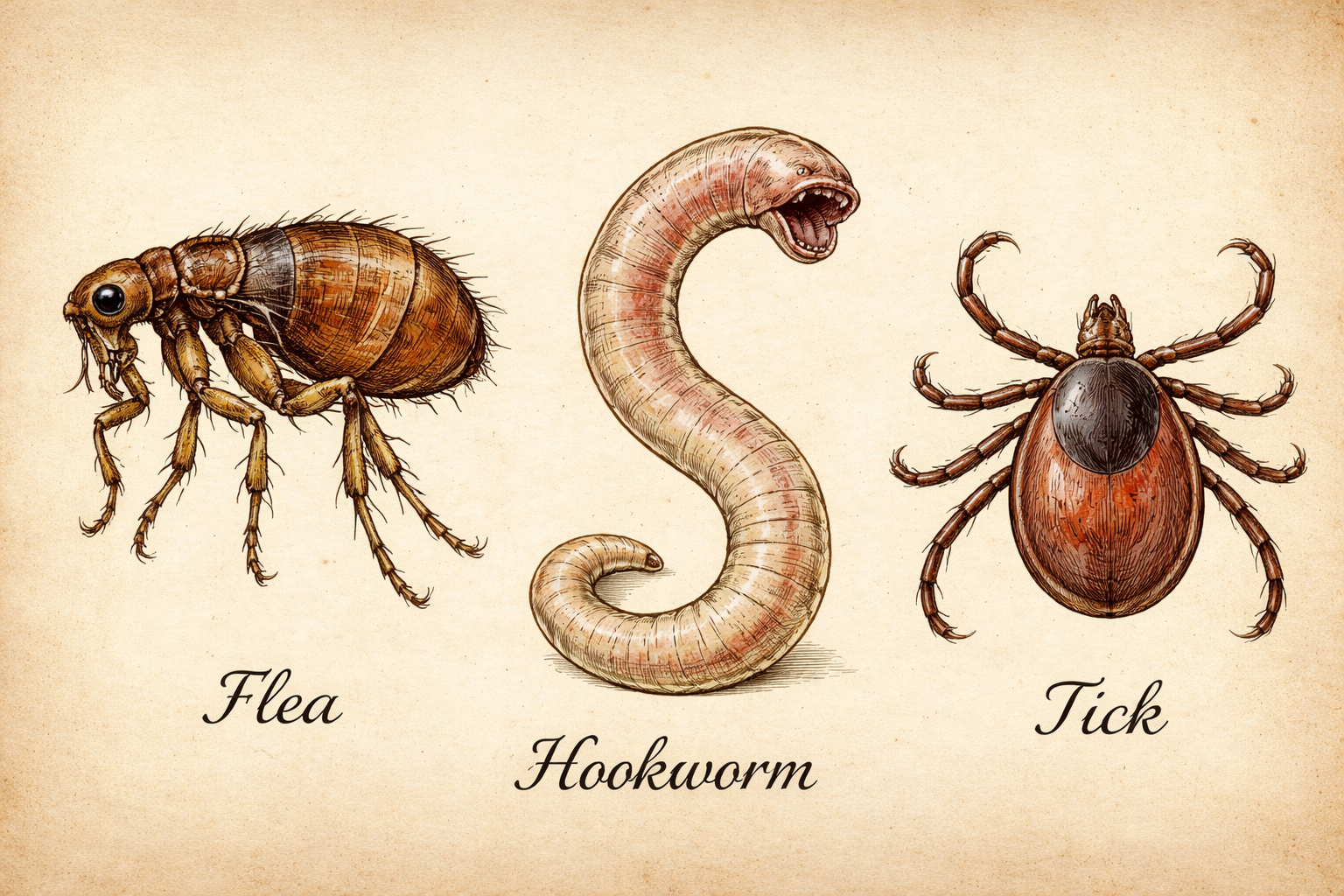
Fleas and ticks
Intestinal parasites (roundworms, hookworms, whipworms)
2. Annual Wellness Exams
A yearly veterinary exam allows early detection of:
Dental problems
Allergies
Weight issues
Organ disease
Arthritis or mobility concerns
Seniors (ages 7+) benefit from twice-yearly exams.
3. Dental Care
Oral health affects the entire body. Preventive care includes:
Daily brushing
Dental chews
Professional cleanings
4. Weight Management
Obesity shortens a dog’s lifespan and increases the risk of joint disease, diabetes, and heart problems. Maintain a healthy weight through:
Appropriate feeding
Regular controlled exercise
Avoiding table scraps
5. Regular Grooming
Grooming isn’t just for looks. A groomer can identify early signs of:
Skin issues
Parasites
Ear infections
Lumps or abnormalities
A Healthy Dog Learns Better
When your dog feels good physically, they’re more receptive to training, better behaved, and more confident in new environments. Preventive care is not just a vet recommendation—it’s a training foundation.
Final Thoughts
Investing in proper vaccinations and preventive care pays off in fewer emergency vet visits, a healthier lifestyle, and a longer, happier life with your dog. As the saying goes, “An ounce of prevention is worth a pound of cure.”
Your dog depends on you to make smart choices—vaccinations and preventive care are among the most important.
Dog Training in Tucson, AZ Dog Training in Marana, AZ Training Options
Walkers K9 Services — Building Better Dogs, One Lesson at a Time
Please support our mission by sharing our training articles with other dog owners.
Written by: George Walker
Walkers K9 Services | Tucson, AZ
📞 520-500-7202