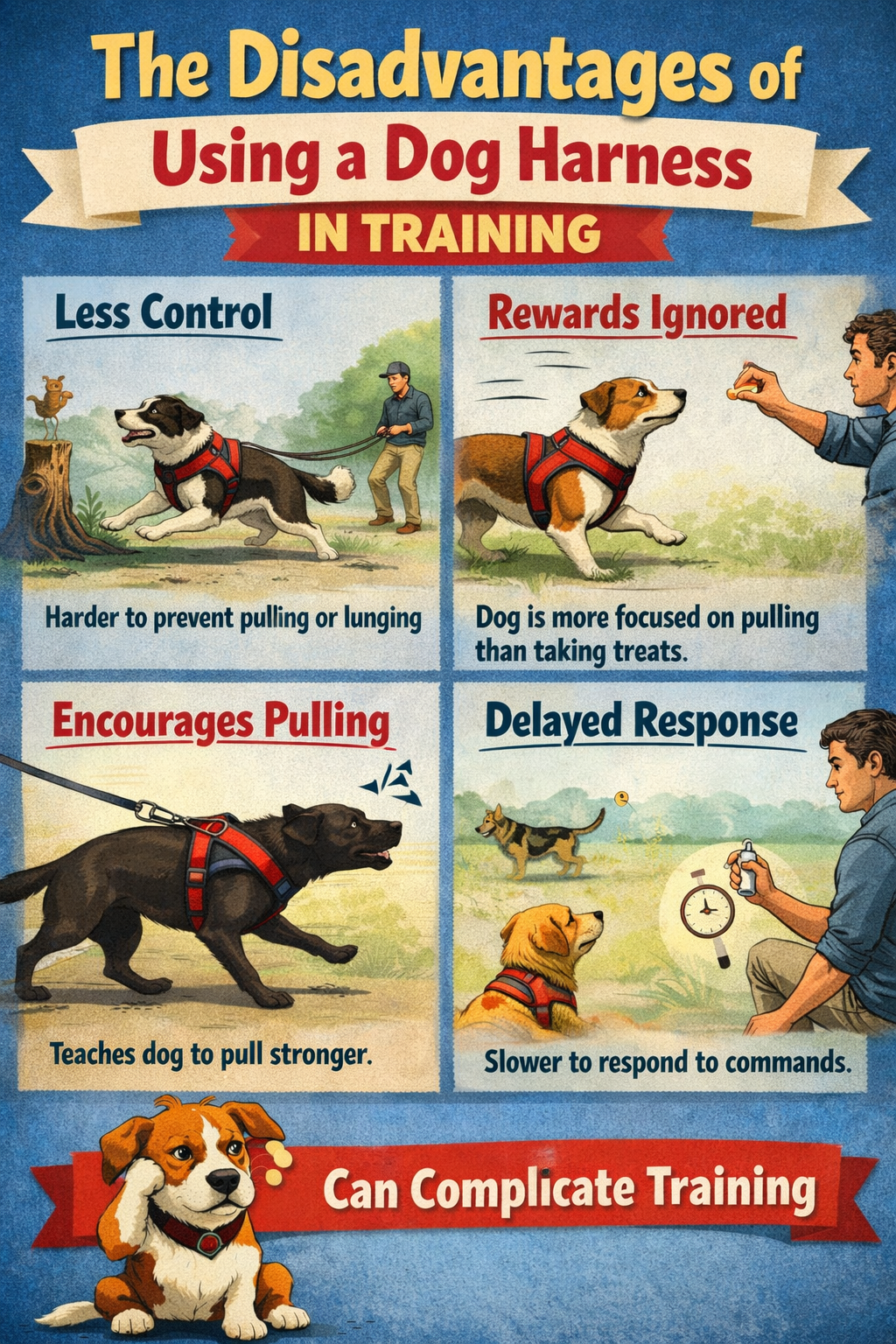
The Disadvantages Of Using A Dog Harness
By George Walker – Walker’s K9 Services, Tucson AZ
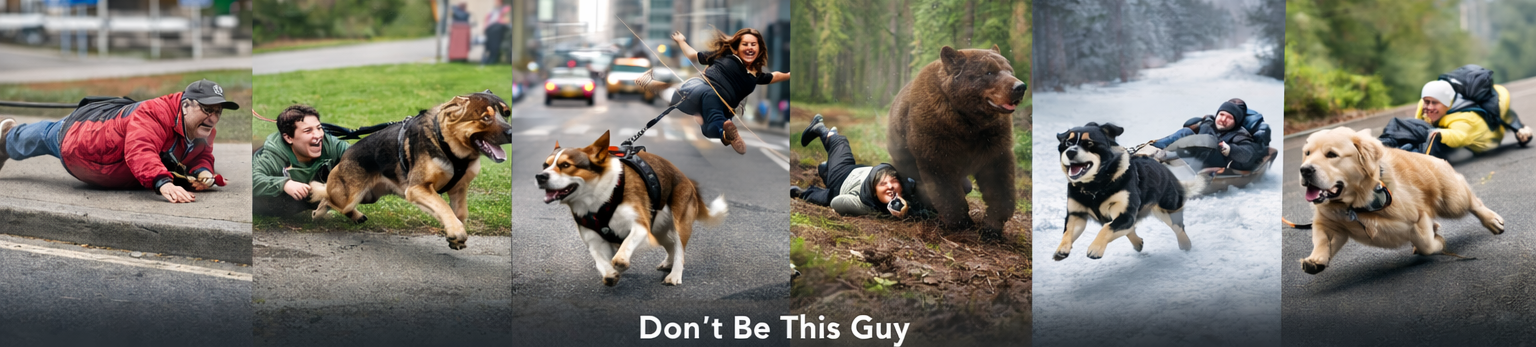
When people get a new dog, one of the first things they buy is a harness. It feels safe. It feels gentle. It feels like the “responsible” choice. But in the real world of dog behavior, harnesses often create more issues than they solve. As a trainer who works daily with pulling, reactivity, aggression, and fearful behaviors, I can tell you: for most dogs, a harness is not just unhelpful—it actively makes training harder.
Here’s why.
1. Harnesses Encourage Pulling
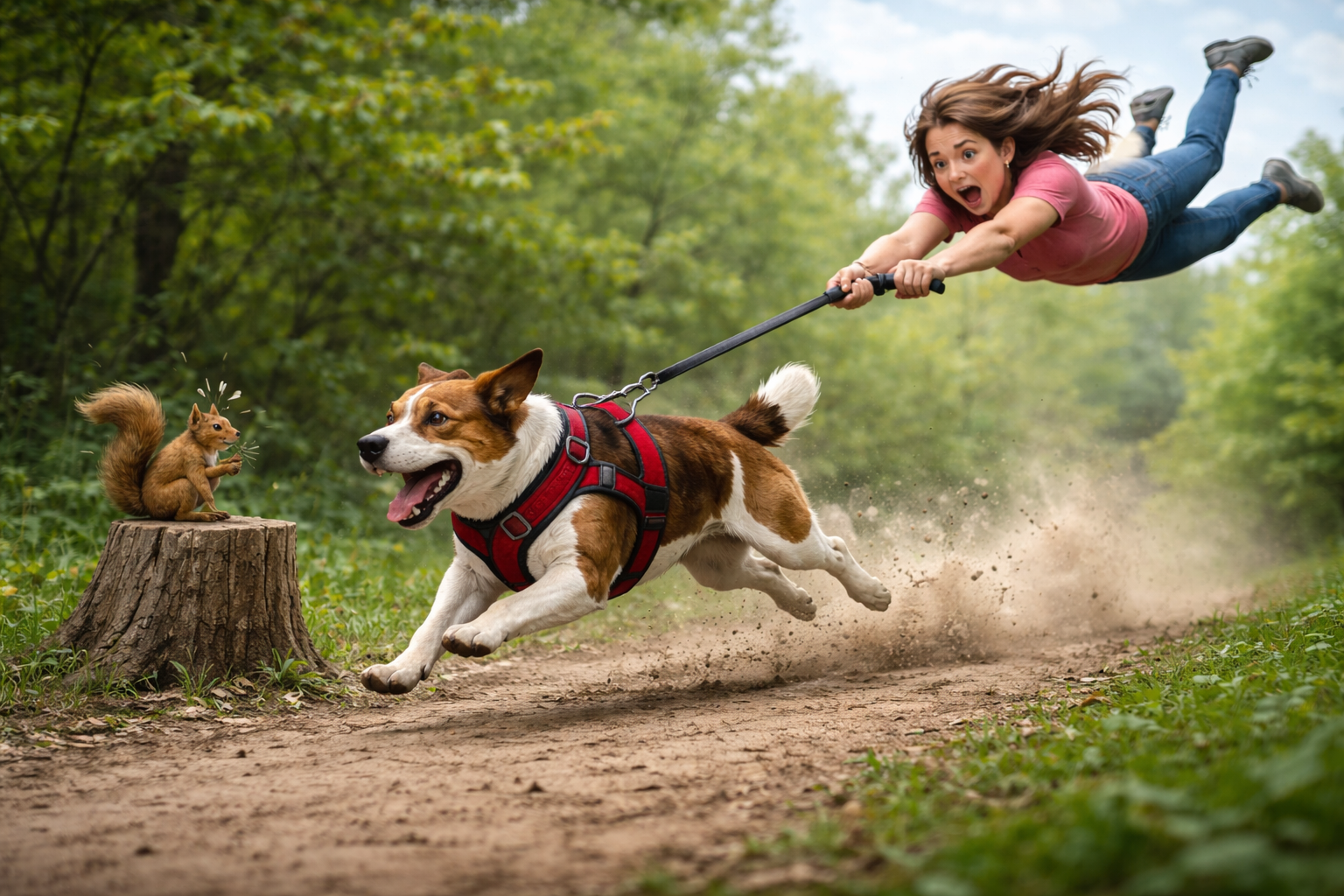
Dogs naturally lean into pressure. When you attach the leash to a harness, you’re giving the dog a comfortable, padded platform to throw their full body weight forward. This isn’t an opinion—it’s physics and instinct working together.
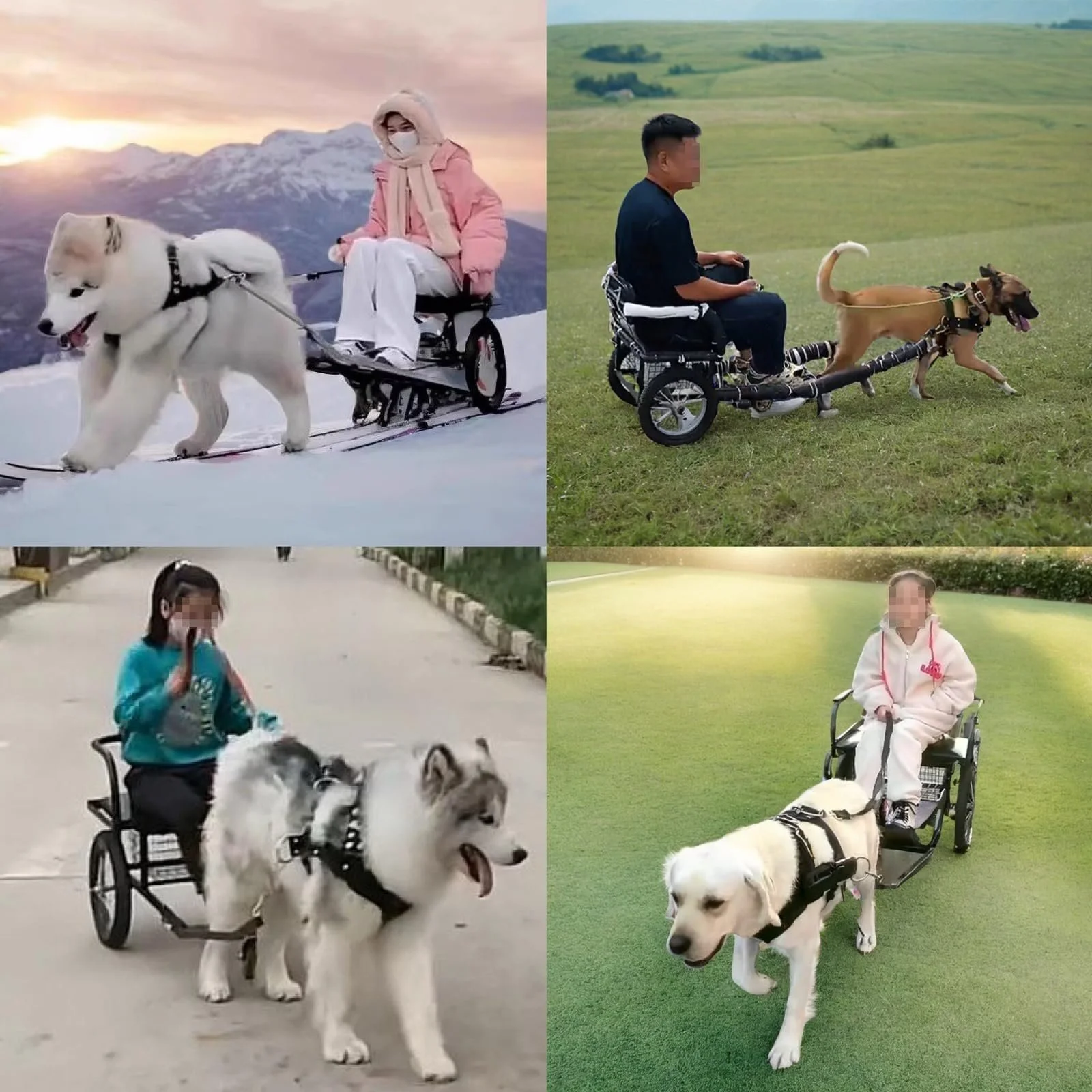
This is why sled dogs wear… you guessed it… harnesses. That’s what they were originally created for to give the dog more pulling power.
If your goal is loose-leash walking, a harness puts you at a disadvantage before you even step outside.
2. You Lose Valuable Communication Through the Leash
Training tools aren’t about punishment—they’re about clarity. Proper leash communication
allows you to guide, interrupt, redirect, reward, and shape your dog’s behavior.
Harnesses dull that communication.
Instead of a light directional cue, you end up dragging a dog forward or sideways while
the dog barely feels or understands what you’re asking. This lack of feedback often
leads to frustration for both the handler and the dog.
3. They Can Increase Reactivity
This is something most owners do not realize until the problem is severe.
When a dog hits the end of the leash in a harness, they feel physically powerful,
secure, and braced. That makes it easier for them to launch forward, bark, lunge,
and escalate. Many reactive dogs behave 30–50% worse in a harness
compared to a properly fitted training collar.
Harnesses also restrict shoulder movement, which can lead to pent-up
energy and intensity. The dog’s body is ready for a “fight,” and their brain follows.
4. They Often Make Fear and Anxiety Worse
People often switch fearful dogs to a harness to “be gentle.”
But giving a scared dog more freedom to pull, avoid, or hide usually increases anxiety.
Clear structure and guidance help fearful dogs build confidence.
A harness reduces your ability to give that structure.
5. They Can Cause Physical Problems
Depending on the design, harnesses can:
Chafe behind the legs
Restrict shoulder extension
Put uneven pressure on ribs
Cause long-term gait issues in active dogs
Lead to muscle compensation injuries
A tool that interferes with natural movement is not ideal for most dogs, especially
working or high-energy breeds.
6. They Give Owners a False Sense of Control
Many owners think a harness equals safety.
But a determined dog can slip out of a harness faster than you might think,
especially back-clip versions.
I’ve seen dogs back out, twist out, and bolt—sometimes into traffic, sometimes
toward another dog. A training collar fitted properly is far more secure than a
loose-fitting harness with adjustable buckles that slowly stretch over time.
So Do Harnesses Ever Have a Purpose?
Yes—but their purpose is limited.
Harnesses can be useful for:
Dogs with throat injuries
Dogs doing tracking or sport work
Senior dogs needing support
Specific medical conditions
But as a general training tool for the average family dog?
They create more problems than they solve.
Final Thoughts
If your dog is pulling, reacting, jumping, or ignoring you, switching off the harness
is often the first step toward real progress. Use tools that allow you to
communicate clearly, safely, and humanely. The right equipment doesn’t
“fix” the dog—but it gives you the ability to teach.
Please help us by sharing our training articles
Dog Training in Tucson, AZ Dog Training in Marana, AZ Training Options
Written by: George Walker
Walker’s K9 Services – Tucson, AZ
520-500-7202
Walkers K9 Services Tucson & Marana AZ