Resource Guarding: Prevention and Effective Management
By George Walker, Walker’s K9 Services – Tucson, AZ
Resource Guarding in Dogs: A Balanced Training Perspective
Resource guarding is a natural canine behavior. Dogs instinctively protect things they find valuable—food, toys, beds, bones, space, or even people. From a dog’s point of view, this behavior makes sense. However, when guarding is allowed to escalate or go unchecked, it can become unsafe or disruptive in a home environment.
The goal of training is not to eliminate a dog’s instincts, but to teach the dog how to live safely and calmly within human expectations. With clear structure, fair boundaries, and consistent training, resource guarding can be prevented, reduced, or resolved.
What Is Resource Guarding?
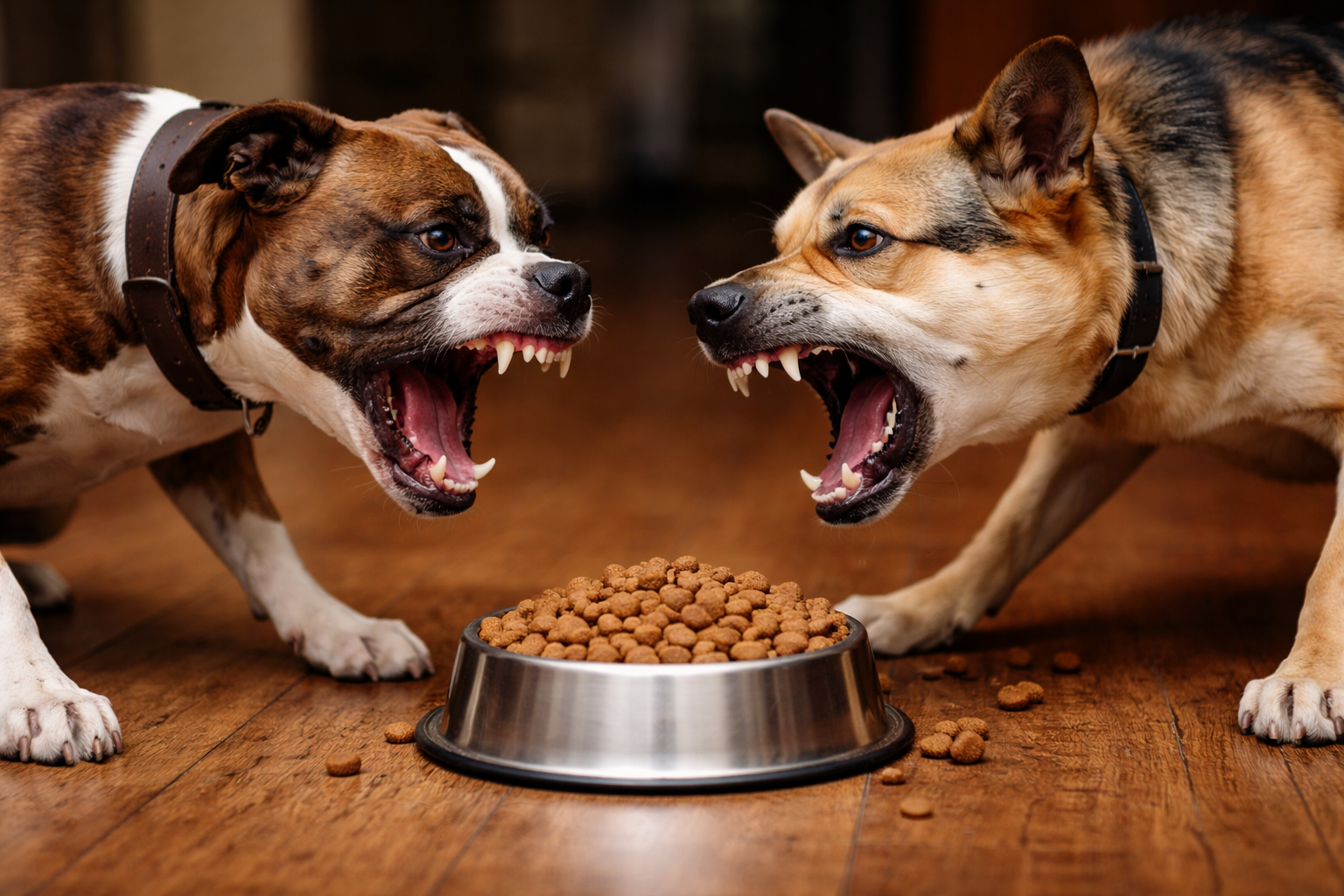
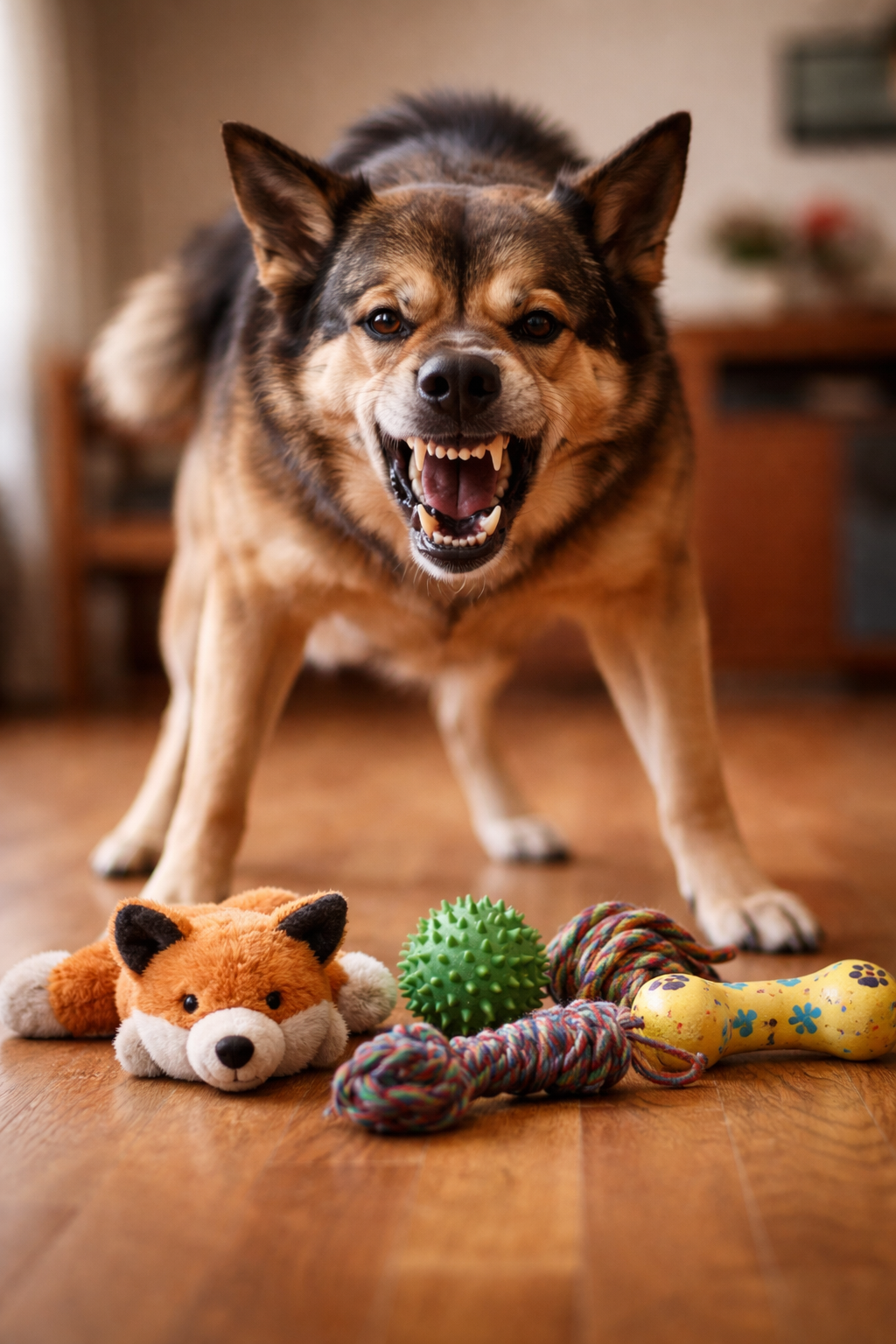
Resource guarding occurs when a dog attempts to control access to something they believe is important. This may include behaviors such as:
Stiffening or freezing
Hovering over or blocking an item
Growling or baring teeth
Snapping or air biting
Running away with objects
Eating faster or hiding food
Guarding is not about dominance or a dog trying to “be in charge.” It is most
often driven by insecurity, uncertainty, or learned behavior. The dog believes
they must protect the resource to keep it.
Why Dogs Guard Resources
Dogs may develop guarding behavior for several reasons:
1. Natural Instinct
In nature, access to food and shelter is survival. Domestic dogs still carry
this instinct, even when survival is not truly at risk.
2. Lack of Clear Structure
When dogs are unsure of rules or expectations, they may take responsibility
for controlling resources themselves.
3. Loss of Trust
Repeatedly taking items, chasing a dog, or punishing a dog around food or toys can teach the dog that humans are unpredictable or threatening.
4. Competition
Multi-dog households often increase pressure around food, toys, or attention, especially if boundaries are unclear.
5. Genetics and Early Experiences
Some dogs are more sensitive, anxious, or possessive by nature, particularly if they lacked proper structure or exposure early in life.
Preventing Resource Guarding
Prevention starts with leadership, consistency, and clear communication.
1. Teach Dogs That Humans Control Resources
Dogs should learn that all valuable items come through people. This does not mean teasing or
provoking—it means calm, structured delivery of food, toys, and rewards.
Approaching a dog should consistently predict something positive, not conflict.
2. Use Fair Trade and Exchange Exercises
Teaching a dog to release items in exchange for something equal or better builds cooperation
and trust. The dog learns that giving things up does not mean loss.
3. Avoid Power Struggles
Chasing dogs, prying mouths open, or repeatedly confronting them over items often creates
guarding behavior rather than fixing it.
4. Teach Clear Commands
A reliable leave it, drop it, and place command gives structure and helps prevent conflicts
before they start.
5. Maintain Predictable Routines
Dogs thrive on consistency. Clear schedules and rules reduce anxiety and the need for
self-management.
Managing Resource Guarding Safely
If a dog is already guarding, training must focus on calm control and
confidence—not emotional reactions.
1. Do Not Punish Warnings
Growling is communication. Correcting or punishing the warning often removes the warning while leaving the underlying issue intact, increasing bite risk.
2. Maintain Safety and Space
When a dog is actively guarding, give space. Conflict escalates stress and reinforces defensive behavior.
3. Use Structured Desensitization
Dogs should gradually learn that people approaching resources is normal and non-threatening.
This is done at distances and intensities where the dog remains calm, paired with rewards and clear guidance.
4. Manage the Environment
Good training includes management:
Feed dogs separately
Remove high-value items when supervision is not possible
Prevent competition and surprise interactions
Management prevents mistakes while training creates lasting change.
5. Teach Place and Impulse Control
Giving dogs a designated place to relax and enjoy items helps reduce pressure, conflict, and anxiety. Structure builds confidence.
When to Seek Professional Help
If a dog has snapped, bitten, or shown escalating behavior, professional guidance is essential. Resource guarding should be handled with experience, structure, and safety protocols in place.
Balanced training focuses on fair corrections, clear boundaries, and trust-building, not punishment or avoidance.
Final Thoughts
Resource guarding is normal canine behavior—but it is not something that should be ignored. With leadership, consistency, and balanced training, dogs can learn to relax and trust instead of defend.
A confident dog does not feel the need to guard—and confidence comes from structure, clarity, and calm guidance.
Dog Training in Tucson, AZ Dog Training in Marana, AZ Training Options
Walkers K9 Services — Building Better Dogs, One Lesson at a Time 🔹
Please support our mission by sharing our training articles with other dog owners.
Written by: George Walker
Walkers K9 Services | Tucson & Marana, AZ
📞 520-500-7202