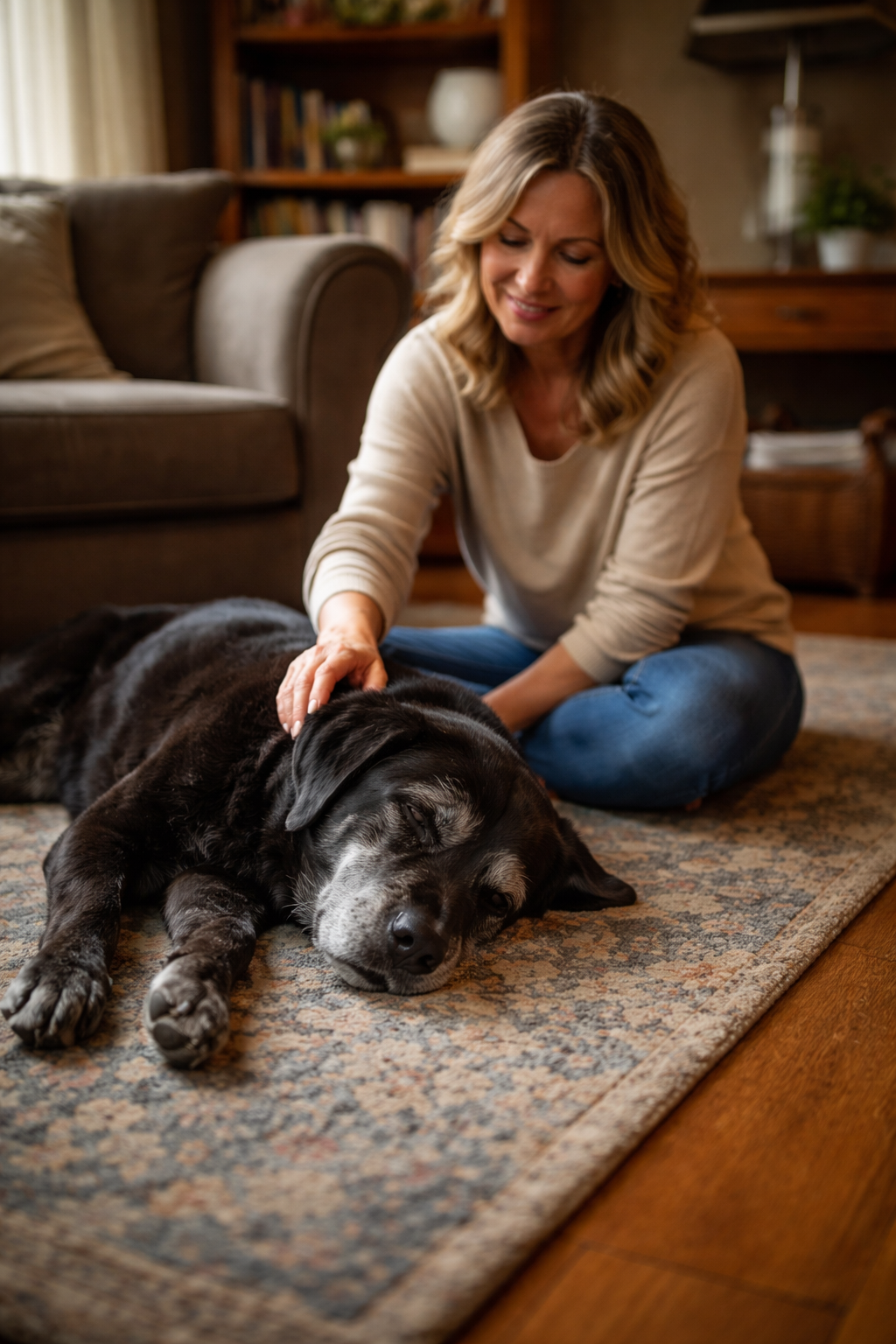
Preparing for Aging Dogs: Senior Care and Adjustments
By George Walker, Walker’s K9 Services – Tucson, AZ
As our dogs grow older, their needs change—sometimes subtly, sometimes dramatically. Preparing for your dog’s senior years isn’t about expecting decline; it’s about adapting care, training, and daily routines so your dog can remain comfortable, confident, and happy for as long as possible. With the right adjustments, many senior dogs enjoy excellent quality of life well into their later years.
This article will help you understand what to expect as dogs age and how to proactively support them through thoughtful senior care.
When Is a Dog Considered “Senior”?
The definition of “senior” varies by size and breed:
Small breeds: 8–10 years
Medium breeds: 7–9 years
Large and giant breeds: 5–7 years
Aging is individual. Some dogs act youthful well into old age, while others
show changes earlier. The key is to watch for behavioral and
physical shifts, not just birthdays.
Physical Changes to Expect
As dogs age, their bodies naturally slow down. Common changes include:
Reduced stamina and slower movement
Joint stiffness or arthritis
Vision or hearing loss
Weight gain or muscle loss
Dental disease
Changes in coat condition
These changes don’t mean your dog is “failing”—they mean your care
needs to evolve.
Adjusting Exercise for Senior Dogs
Exercise remains critical, but it should be modified, not eliminated.
Best Practices:
Shorter, more frequent walks instead of long outings
Low-impact activities like controlled leash walks or swimming
Avoid repetitive high-impact activities (jumping, sharp turns)
Warm up stiff dogs slowly, especially in cooler weather
Movement keeps joints lubricated, muscles engaged, and minds sharp.
Nutrition and Weight Management
Senior dogs often need fewer calories but higher-quality nutrition.
Monitor weight closely—extra pounds stress aging joints
Choose senior or joint-support diets when appropriate
Consider supplements like glucosamine or omega-3s (with vet guidance)
Ensure easy access to fresh water at all times
A lean senior dog is usually a more comfortable dog.
Environmental Adjustments at Home
Small changes at home can make a big difference.
Helpful Modifications:
Orthopedic or memory foam beds
Non-slip rugs on slick floors
Ramps for vehicles, beds, or stairs
Elevated food and water bowls for dogs with neck or joint pain
These adjustments reduce strain and help preserve independence.
Training Adjustments for Aging Dogs
Senior dogs still benefit greatly from training—but expectations must shift.
Training Tips:
Keep sessions short and positive
Use clear, consistent cues (vision/hearing loss may affect response time)
Allow extra time for compliance—don’t rush
Reinforce known behaviors instead of constantly teaching new ones
Training maintains mental stimulation, confidence, and communication—even in old age.
Cognitive Changes and Mental Health
Some senior dogs experience canine cognitive dysfunction (CCD), similar to dementia.
Possible signs include:
Disorientation or confusion
Changes in sleep cycles
Increased anxiety or clinginess
Forgetting trained behaviors
Mental stimulation, routine, and gentle structure help slow cognitive decline and reduce stress.
Veterinary Care: Be Proactive
Senior dogs should see a veterinarian at least twice a year.
Regular checkups help:
Catch issues early
Adjust pain management plans
Monitor dental health
Track mobility and organ function
Early intervention can dramatically improve comfort and longevity.
Emotional Support and Patience
Perhaps the most important adjustment is patience.
Senior dogs may:
Move slower
Need more rest
Have accidents
Respond more slowly to commands
They are not being stubborn. They are aging. Compassion, consistency, and understanding go a long way.
Quality of Life Comes First
Preparing for aging isn’t about extending life at all costs—it’s about maintaining dignity, comfort, and joy. With thoughtful care, senior dogs continue to be loyal companions, teachers, and family members.
They gave us their best years. Now it’s our turn to give them our best care.
Dog Training in Tucson, AZ Dog Training in Marana, AZ Training Options
Walkers K9 Services — Building Better Dogs, One Lesson at a Time 🔹
Please support our mission by sharing our training articles with other dog owners.
Written by: George Walker
Walkers K9 Services | Tucson, AZ
📞 520-500-7202