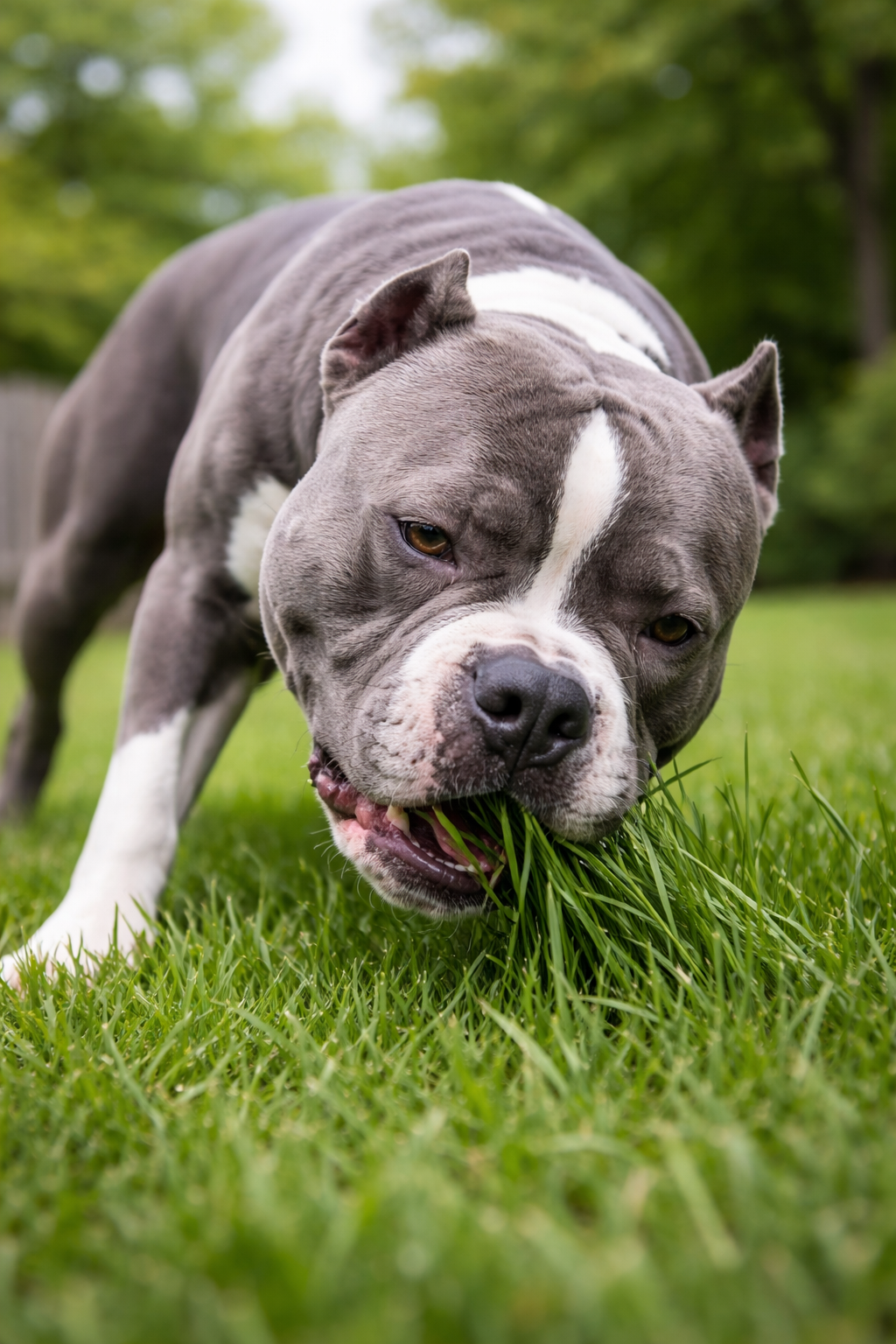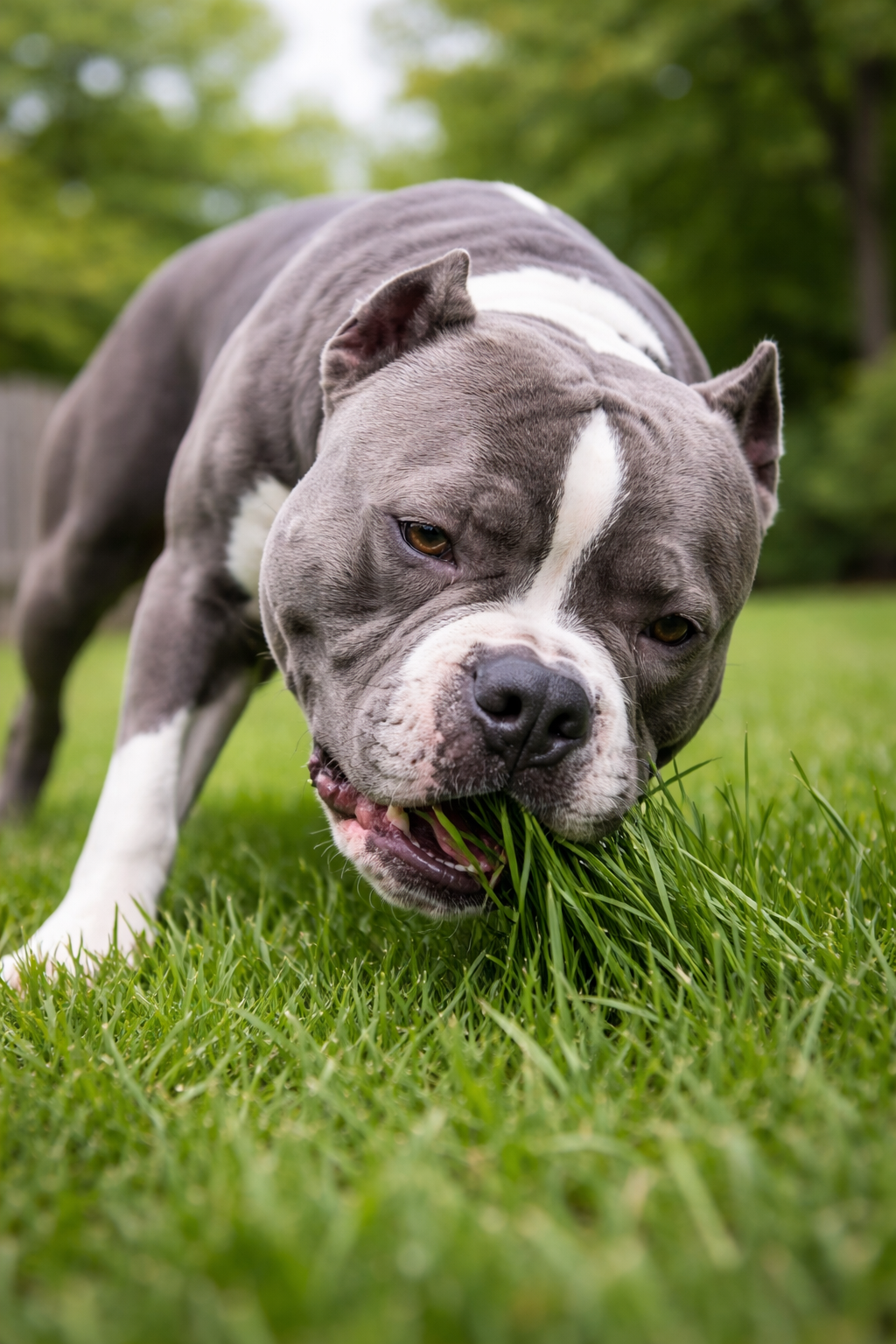
Why Do Dogs Eat Grass?
By George Walker, Walker’s K9 Services – Tucson, AZ
If you’ve ever watched your dog head into the yard and start grazing like a tiny cow, you’re not alone. One of the most common questions dog owners ask is “Why does my dog eat grass?”
The short answer: it’s usually normal. The longer answer is more interesting—and understanding it can help you decide when it’s harmless and when it’s worth paying closer attention.
A Natural Canine Behavior
Dogs didn’t suddenly invent grass-eating. Their ancestors—wild canines—ate entire prey animals,
including the stomach contents of herbivores. That meant plant matter was a regular part of their
diet. Even though modern dogs eat commercial food, some of those instinctive behaviors are
still hard-wired.
In other words, grass eating isn’t always a “problem”—sometimes it’s just biology.
Does Eating Grass Mean a Dog Is Sick?
Not usually. Contrary to popular belief, most dogs that eat grass do not vomit afterward.
While some dogs may nibble grass when their stomach feels unsettled, studies and
real-world experience show this is not the primary reason for most grass-eating behavior.
If grass were purely a remedy for nausea, we’d see vomiting far more often than we do.
Fiber and Digestive Comfort
Grass contains fiber, and some dogs instinctively seek roughage when their digestion feels “off.” This doesn’t necessarily mean a poor diet—just that the dog’s system may be craving something different at that moment.
In many cases, adding safe fiber sources like pumpkin or vegetables to the diet can reduce how often a dog seeks out grass.
Boredom, Stress, and Habit
From a trainer’s perspective, behavioral reasons are extremely common:
Dogs left alone in the yard with little stimulation
Dogs lacking regular physical exercise
Dogs lacking mental enrichment
Grass eating can become a self-soothing or habitual behavior, much like chewing or digging. Once it becomes routine, dogs may do it simply because it’s something to do.
Sometimes… They Just Like It
Fresh grass has a cool texture, a mild taste, and smells interesting—especially in spring or after watering. For some dogs, grass is nothing more than an outdoor snack.
No anxiety. No illness. Just preference.
When Grass Eating Is a Red Flag
While occasional grass eating is normal, it’s time to pay attention if you notice:
Frequent or forceful vomiting
Diarrhea
Lethargy or behavior changes
Weight loss
Obsessive, nonstop grass consumption
Another serious concern is chemical exposure. Lawns treated with fertilizers, herbicides, or pesticides can make grass eating dangerous. Even well-intentioned products can be toxic to dogs.
Should You Stop Your Dog From Eating Grass?
If your dog is healthy, energetic, and eating grass only occasionally, there’s usually no need to intervene—other than making sure the grass is chemical-free.
If it’s excessive, the solution often lies in:
More structured exercise
More mental stimulation
A diet review
Clear supervision outdoors
Address the cause, not just the symptom.
Final Thoughts
Grass eating is one of those behaviors that looks strange to humans but makes perfect sense to dogs. In most cases, it’s normal, harmless, and nothing to panic about.
Like many canine behaviors, context matters. Watch the whole dog—not just the grass.
Dog Training in Tucson, AZ Dog Training in Marana, AZ Training Options
Walkers K9 Services — Building Better Dogs, One Lesson at a Time 🔹
Please support our mission by sharing our training articles with other dog owners.
Written by: George Walker
Walkers K9 Services | Tucson, AZ
📞 520-500-7202