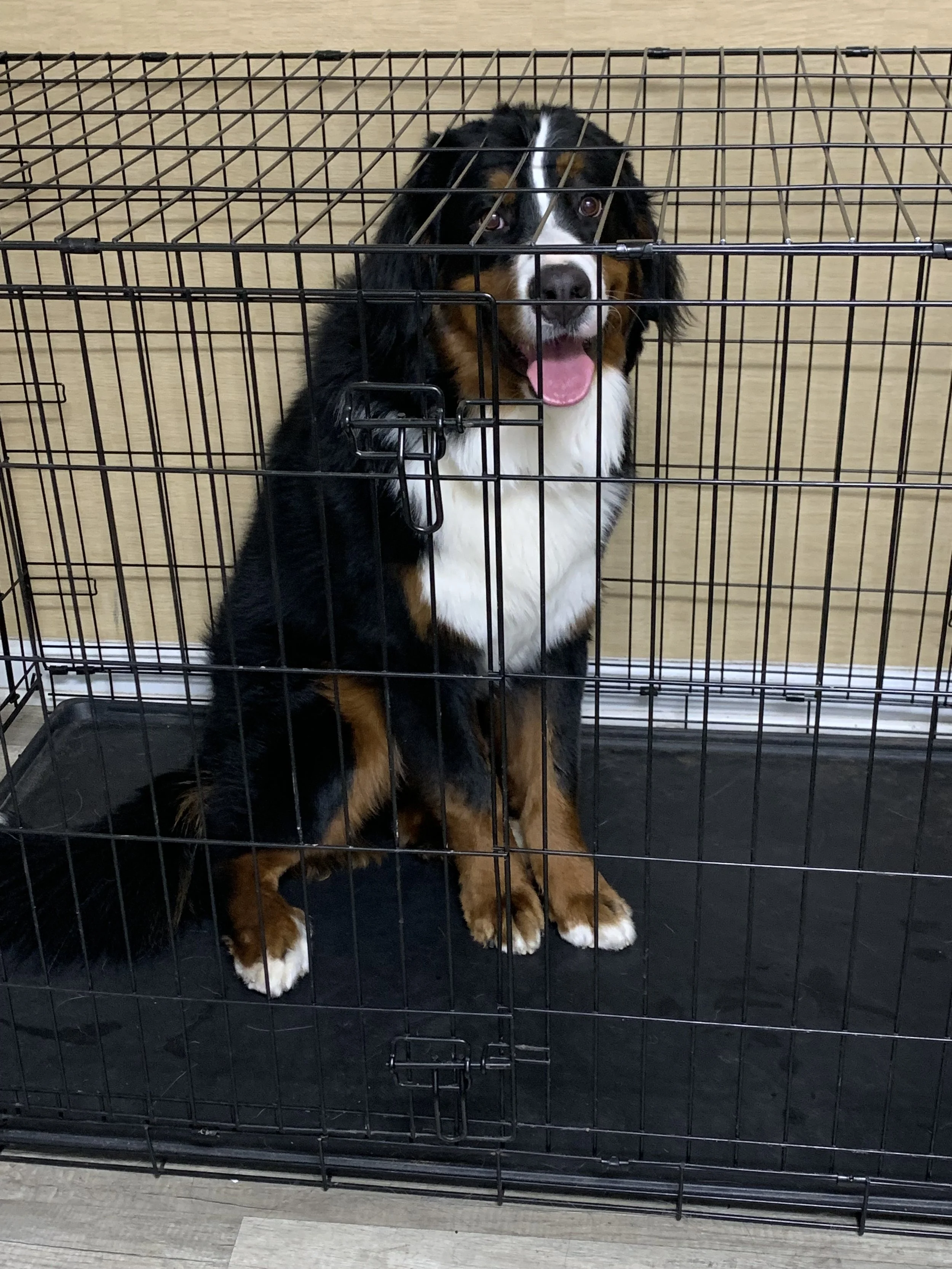
The Importance of Crate Training Your Dog:
How to Do It the Right Way
By George Walker, Walker’s K9 Services – Tucson, AZ
Crate training is one of the most misunderstood yet powerful tools a dog owner can use. Done correctly, it provides your dog with a safe space, teaches structure, and makes daily life easier for both you and your pet. Done incorrectly, it can cause anxiety, fear, or resentment. Understanding the purpose of crate training and applying it with patience and consistency is essential for a happy, well-behaved dog.
Why Crate Training Matters
A crate is often mischaracterized as a punishment, but in reality, it is a tool for comfort, safety, and training. Here’s why it’s so important:
Safety – A crate keeps your dog out of trouble when you can’t supervise them. This is especially critical for puppies who explore with their mouths and for dogs recovering from injury.
House Training – Dogs instinctively avoid soiling where they sleep. A properly sized crate helps teach bladder and bowel control.
Confidence and Security – Many dogs see their crate as a den, a personal space where they can relax, sleep, and decompress.
Ease of Travel – A dog trained to enjoy a crate will be calm in cars, at the vet, or in kennels.
Behavior Management – It prevents destructive behavior when you’re not home and helps reduce stress during chaotic times.
If your dog needs to spend the night away from home (Vet, Boarding Kennel ETC) it will already be used to the crate
Choosing the Right Crate
Not all crates are created equal. To set your dog up for success:
Size: The crate should be just large enough for your dog to stand, turn around, and lie down comfortably. Too big, and your dog may use one corner as a bathroom.
Material: Wire crates provide ventilation and visibility, while plastic crates offer more privacy and den-like security. Choose based on your dog’s needs.
Comfort: Add a soft mat or blanket, but avoid bedding that your puppy can shred and ingest.
Steps to Crate Train the Right Way
Crate training is a gradual process. Rushing it can create fear or resistance.
1. Introduce the Crate Positively
Place the crate in a high-traffic area so your dog doesn’t feel isolated.
Toss in treats or a favorite toy to create a positive association.
Leave the door open at first. Allow your dog to explore voluntarily.
2. Feed Meals in the Crate
Start feeding your dog inside the crate to build comfort and association with positive experiences.
Praise calm behavior during meals.
3. Close the Door Briefly
Once your dog is comfortable entering, close the door for short periods while you are nearby.
Gradually increase the time your dog spends inside, always praising calm behavior.
4. Practice Leaving the Room
Begin stepping out of sight for short intervals. Return calmly and offer praise.
Gradually increase absence times. Your dog should remain relaxed, not anxious or vocal.
5. Make It a Safe Space, Not a Punishment
Never use the crate for discipline. If your dog associates the crate with negative experiences, all training efforts will backfire.
The crate should be a place of rest, comfort, and safety.
6. Stick to a Routine
Crate times should align with feeding, potty breaks, and nap schedules.
Consistency reduces anxiety and accelerates learning.
Common Mistakes to Avoid
Over-crating – Puppies should not spend more than a few hours at a time in a crate. Overuse can create stress or aggression.
Punishing inside the crate – Avoid placing your dog in the crate for time-outs or discipline.
Ignoring signs of stress – Whining or pacing may indicate anxiety. Take a step back and reduce time in the crate or increase positive reinforcement.
Final Thoughts
Crate training done right benefits both dog and owner. It teaches structure, encourages confidence, and prevents accidents and destructive behaviors. A crate should always be a safe haven, a place your dog chooses to relax, not a punishment. Patience, consistency, and positive reinforcement are the keys to long-term success.
Dog Training in Tucson, AZ Dog Training in Marana, AZ Training Options
Walkers K9 Services — Building Better Dogs, One Lesson at a Time
Please support our mission by sharing our training articles with other dog owners.
Written by: George Walker
Walkers K9 Services | Tucson, AZ
📞 520-500-7202
