Understanding Breed Temperament vs. Individual Personality
By George Walker — Walkers K9 Services, Tucson AZ
Helping Dog Owners Make Better, More Informed Decisions
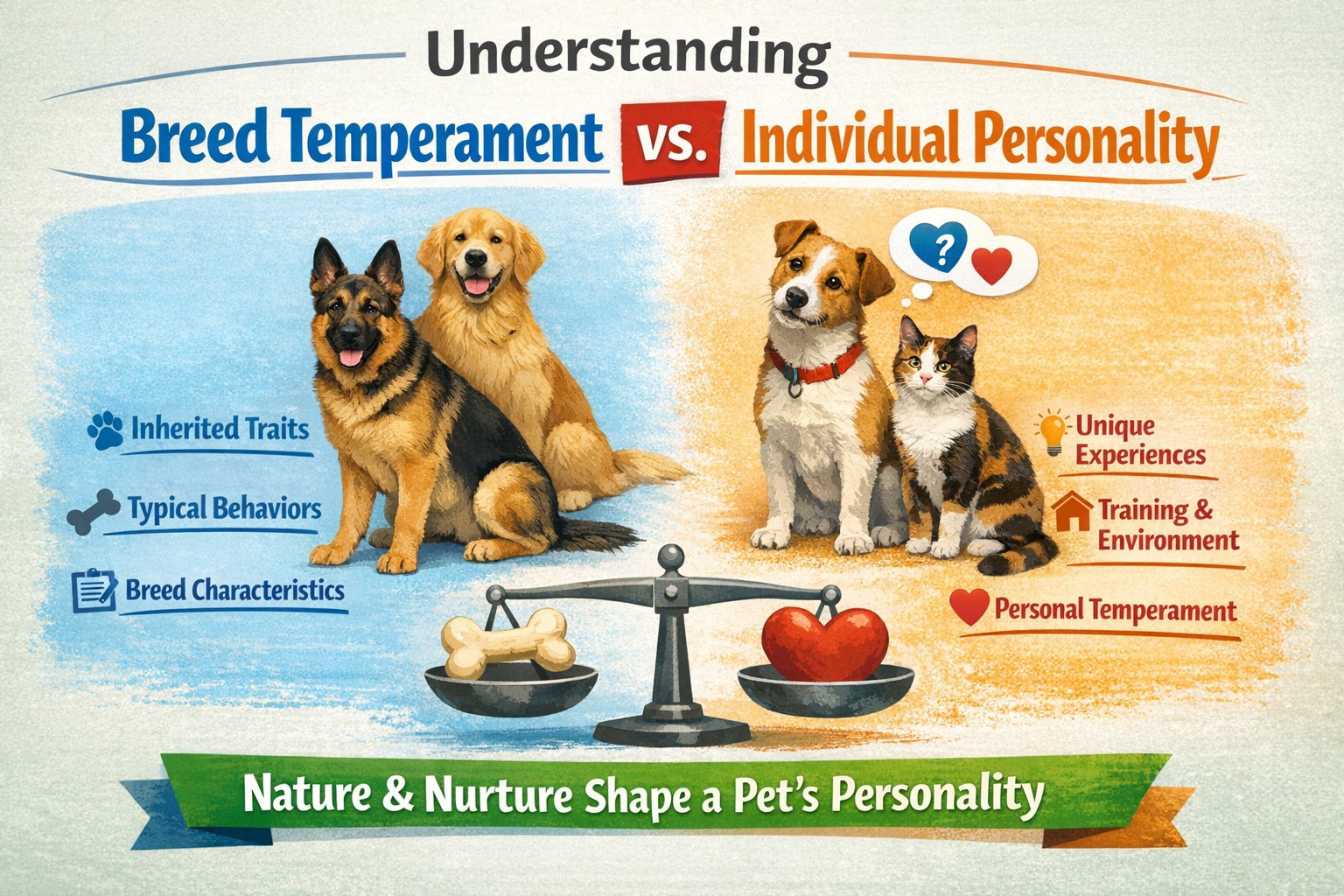
Choosing the right dog for your home involves more than falling in love with a cute face or a breed’s reputation. Every dog is a combination of two powerful forces: breed temperament (the predictable, genetically influenced tendencies of that breed) and individual personality (the unique traits shaped by that dog’s upbringing, experiences, and environment). Understanding the difference is critical to choosing, training, and living successfully with any dog.
Breed Temperament: The Blueprint
Every breed was created for a purpose—herding, guarding, hunting, companionship, tracking, pulling sleds, or just keeping laps warm. These original jobs shaped how breeds behave today.
Breed temperament influences things like:
● Energy Level
Border Collies, Australian Shepherds, and Belgian Malinois have intense mental and physical energy. Bulldogs, Pugs, and Basset Hounds are generally lower energy and easier to live with for first-time or relaxed households.
● Drive and Motivation
Retrievers want to carry and fetch. Terriers want to dig and chase. Hounds want to follow scents. Guard breeds like German Shepherds and Cane Corsos watch their environment constantly.
These tendencies don’t mean every dog behaves exactly the same, but they stack the deck. When you choose a breed, you’re choosing a set of instincts.
● Sensitivity and Reactivity
Some breeds are naturally more sensitive to pressure, noise, or changes in their environment. Others are more resilient. These traits matter tremendously when selecting a dog for families with kids, chaotic homes, or emotionally sensitive owners.
Individual Personality: The Dog in Front of You
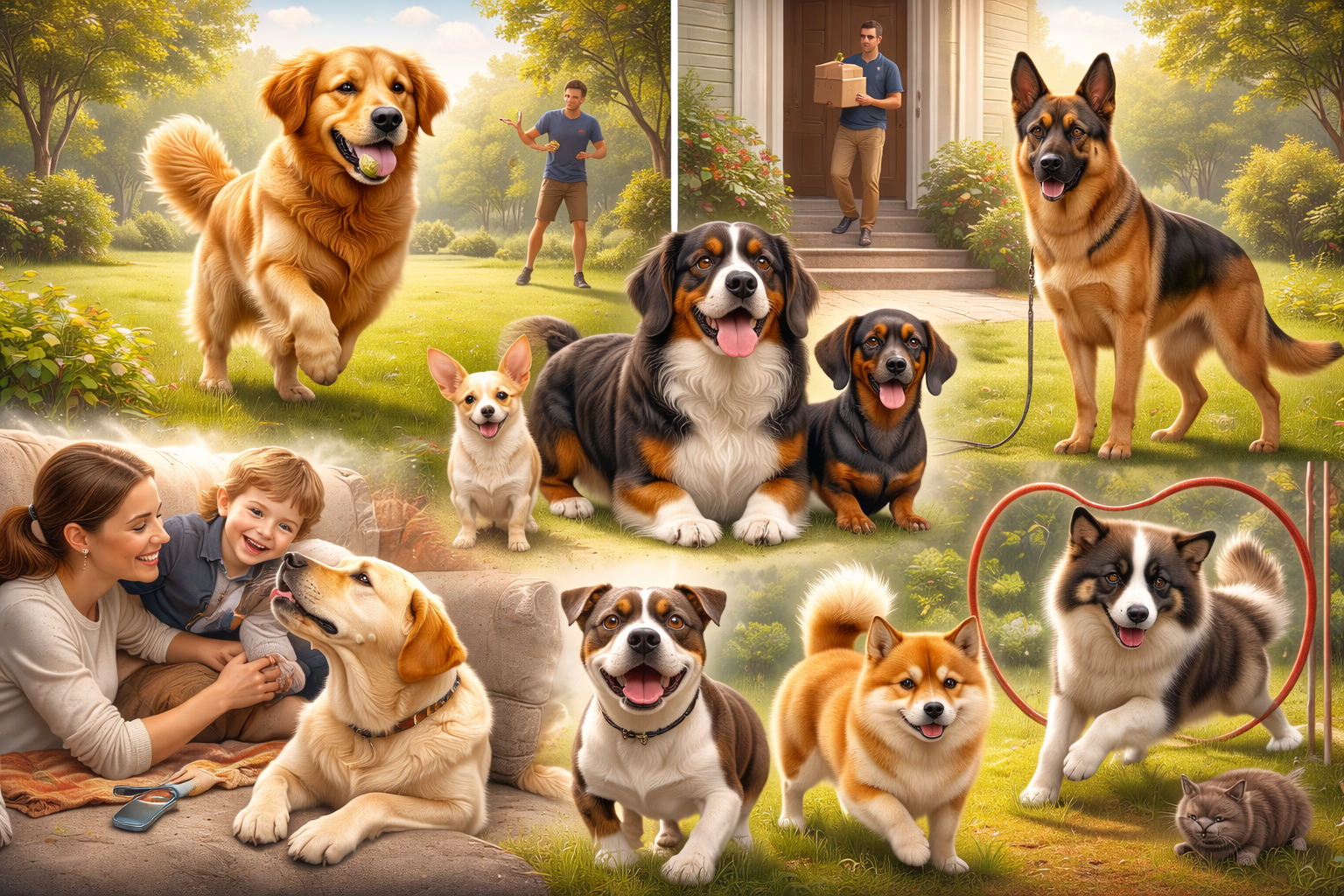
Just like people, no two dogs are identical. Even within the same litter, you’ll see:
● The Confident Puppy
Bold, curious, the first to try new things.
● The Reserved One
Takes time to warm up, cautious with new experiences.
● The High-Drive Worker
Always seeking stimulation, always looking for a job.
● The Easygoing Companion
Happy to relax, flexible, low conflict.
Individual personality traits come from a mix of:
Early socialization
Genetics
Training
Life experiences
Bond with the owner
Daily routine and leadership
A dog with a naturally timid personality can overcome a lot with solid structure and exposure. A strong-willed dog can thrive with the right boundaries. The key is recognizing who the dog truly is, not who you wish they were.
Where Owners Get Into Trouble
Mistake #1: Choosing the Wrong Breed for Their Lifestyle
People often pick based on looks or trends, not temperament. For example:
A Malinois in an apartment with a low-energy owner
A Husky with someone who dislikes shedding
A Terrier with someone who expects a quiet house
You can’t train out instinct, but you can manage it—if you’re prepared for it.
Mistake #2: Ignoring the Dog’s Personality
Even within a perfect breed match, the individual dog might not match your expectations:
A shy Labrador
A sensitive German Shepherd
A couch-potato Aussie
A Cane Corso with low confidence
Understanding personality ensures you train and structure them appropriately.
Mistake #3: Expecting the Dog to Change Without Guidance
Dogs don’t “grow out of” behaviors—they grow into them.
Training shapes personality expression. Structure helps balance instincts. Leadership builds confidence.
How to Evaluate Both Before Bringing a Dog Home
1. Study the breed honestly
Not the sugar-coated version, not what a breeder wants to sell you—research what they were bred for.
2. Meet multiple individuals
Seeing variations helps you recognize what’s typical and what’s unique.
3. Ask the right questions
About the puppy or adult dog’s:
confidence level
energy level
drive
reaction to novelty
social tendencies
recovery time after stress
4. Observe, don’t assume
The dog tells you everything you need to know if you watch with a trained eye.
The Key Takeaway
Breed gives you the framework.
Personality gives you the details.
Training and lifestyle fill in the rest.
A truly successful dog-owner relationship happens when you understand all three and choose a dog—and training approach—that aligns with your real life, not your fantasy.
Final Thoughts
Dogs aren’t blank slates, and they aren’t defined solely by breed stereotypes either.
The magic happens when you match a dog’s instincts and individual temperament with a lifestyle, training plan, and home that fits them.
Dog Training in Tucson, AZ Dog Training in Marana, AZ Training Options
Walkers K9 Services — Building Better Dogs, One Lesson at a Time
Please support our mission by sharing our training articles with other dog owners.
Written by: George Walker
Walkers K9 Services | Tucson, AZ
📞 520-500-7202