Moving or Renovating With Your Dog
By George Walker, Walker’s K9 Services – Tucson, AZ
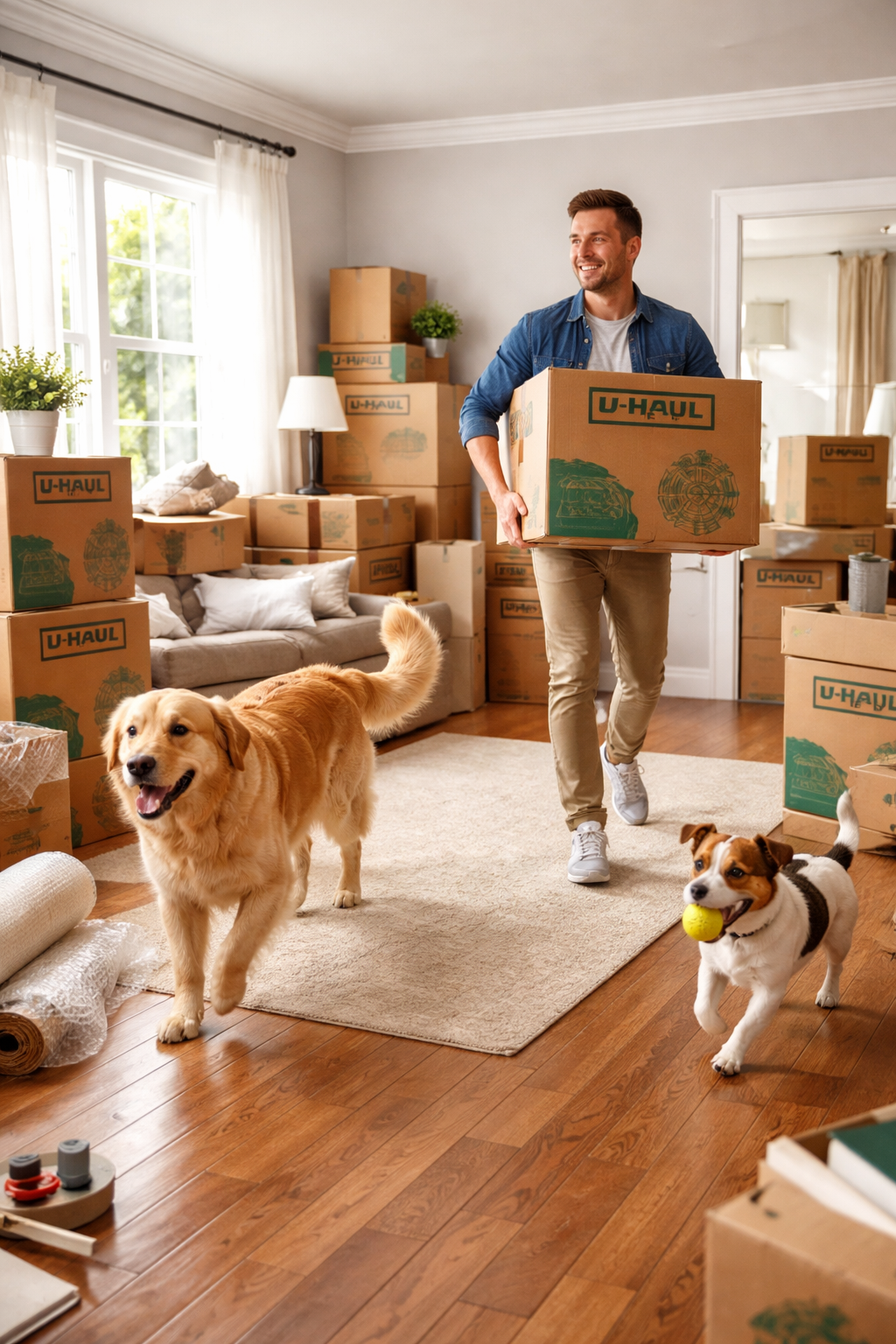
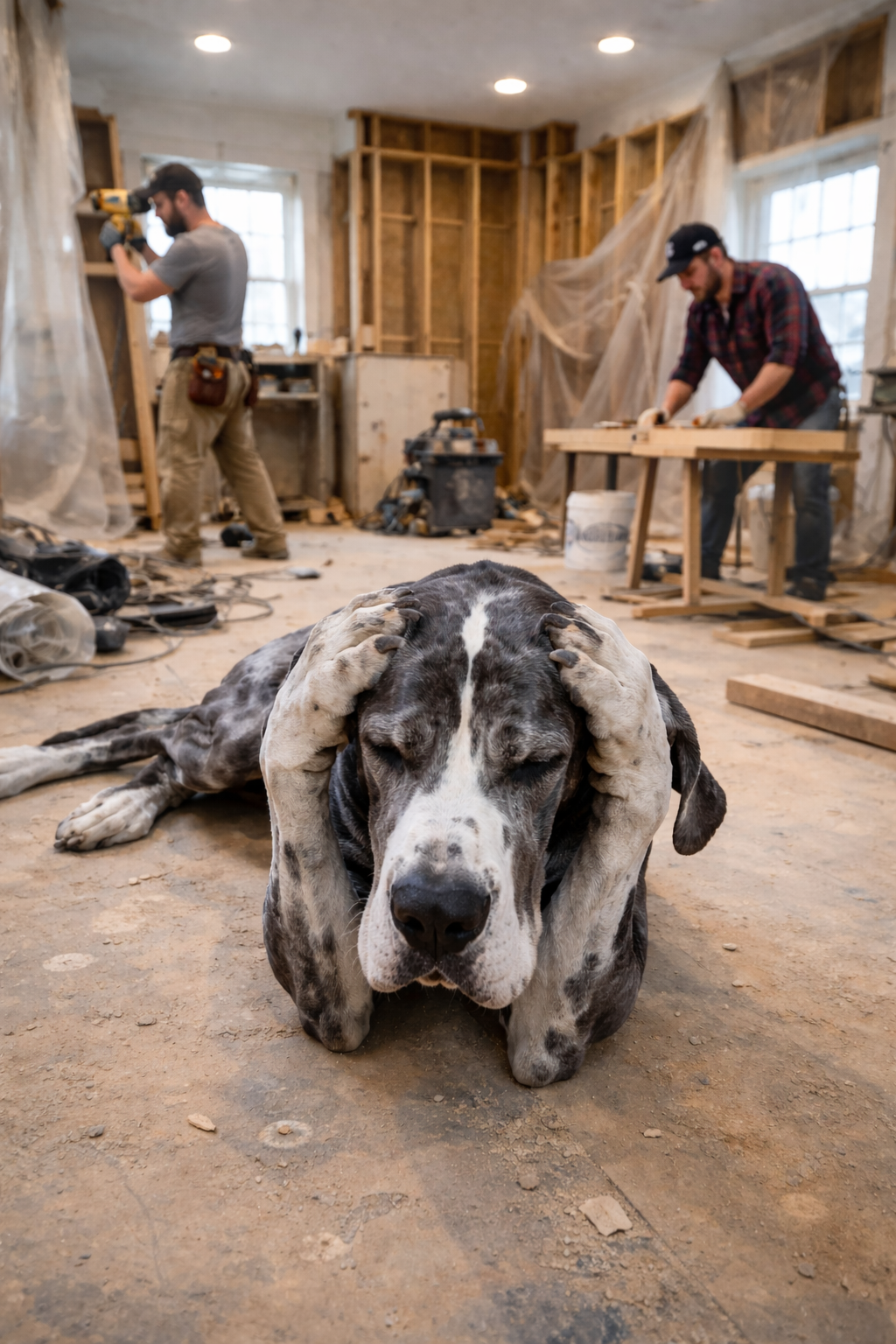
Moving to a new home or renovating your current one can be stressful for people—but for dogs, it can be downright confusing and overwhelming. Dogs thrive on routine, familiar scents, and predictable environments. When walls disappear, furniture moves, or boxes pile up, many dogs experience anxiety, regression in training, or behavior issues.
With planning and structure, you can protect your dog’s well-being and even strengthen their training during times of change.
Why Moves and Renovations Are Stressful for Dogs
Dogs rely heavily on:
Scent familiarity
Routine and predictability
Clear boundaries
When those disappear, common issues may show up:
Increased anxiety or clinginess
Destructive behavior
House-training accidents
Reactivity or barking
Regression in obedience
Understanding this helps owners respond with structure—not sympathy alone.
Before the Move or Renovation Begins
1. Maintain Training Consistency
This is not the time to relax rules. Continue enforcing:
Sit before doors
Place/bed commands
Leash manners
Crate routines
Structure creates security.
2. Desensitize Early
If renovating:
Let your dog hear tools from a distance first
Gradually expose them to noise and movement
Pair calm behavior with praise
If moving:
Begin packing slowly
Keep your dog out of chaotic packing sessions when possible
Create a “Safe Zone”
Designate a calm, familiar space:
Crate or quiet room
Familiar bedding
Favorite toys
White noise or calming music
This space should remain unchanged as much as possible throughout the process.
During Renovations: Managing the Chaos
Leashes Are Your Friend
Even inside the home, a leash:
Prevents bolting through open doors
Keeps dogs away from tools and debris
Maintains structure
Supervision Is Non-Negotiable
Renovation zones can be dangerous:
Nails
Paint
Power tools
Chemicals
When you can’t supervise, crate or confine safely.
Moving Day: Reducing Anxiety
Exercise First
A tired dog is a calmer dog. A long walk or training session before moving begins can make a huge difference.
Limit Access
Too many people, open doors, and chaos can overwhelm dogs. Keep your dog:
Crated
In a closed room
Or with a trusted friend
Introducing the New Home
Walk the Property First
Before entering the house:
Walk your dog around the property
Allow them to sniff and explore on leash
Start With Structure
In the new home:
Establish boundaries immediately
Reintroduce place/bed commands
Maintain feeding and walking schedules
Don’t let your dog “run wild” just because the space is new.
Expect Temporary Regression
It’s normal for dogs to:
Test boundaries
Forget commands
Show mild anxiety
Stay calm, consistent, and firm. Regression usually resolves quickly with structure.
Special Considerations for Anxious or Reactive Dogs
For dogs with known anxiety:
Keep routines as identical as possible
Avoid over-comforting nervous behavior
Reward calm, neutral behavior instead
If your dog is trained to an e-collar, this can be a helpful tool when used properly and fairly to reinforce known commands during distractions—but never as a shortcut or punishment.
Renovations as a Training Opportunity
Believe it or not, chaos can be useful:
Practice place with distractions
Reinforce calm behavior amid noise
Strengthen impulse control
Life isn’t quiet—training shouldn’t only happen in perfect conditions.
Final Thoughts
Moving or renovating doesn’t have to derail your dog’s behavior. Dogs don’t need perfection—they need leadership, clarity, and consistency. When you provide structure during uncertainty, your dog learns resilience and trust.
If you’re planning a move or renovation and want help preparing your dog, professional guidance can make the transition smoother for everyone.
Dog Training in Tucson, AZ Dog Training in Marana, AZ Training Options
Walkers K9 Services — Building Better Dogs, One Lesson at a Time 🔹
Please support our mission by sharing our training articles with other dog owners.
Written by: George Walker
Walkers K9 Services | Tucson, AZ
📞 520-500-7202