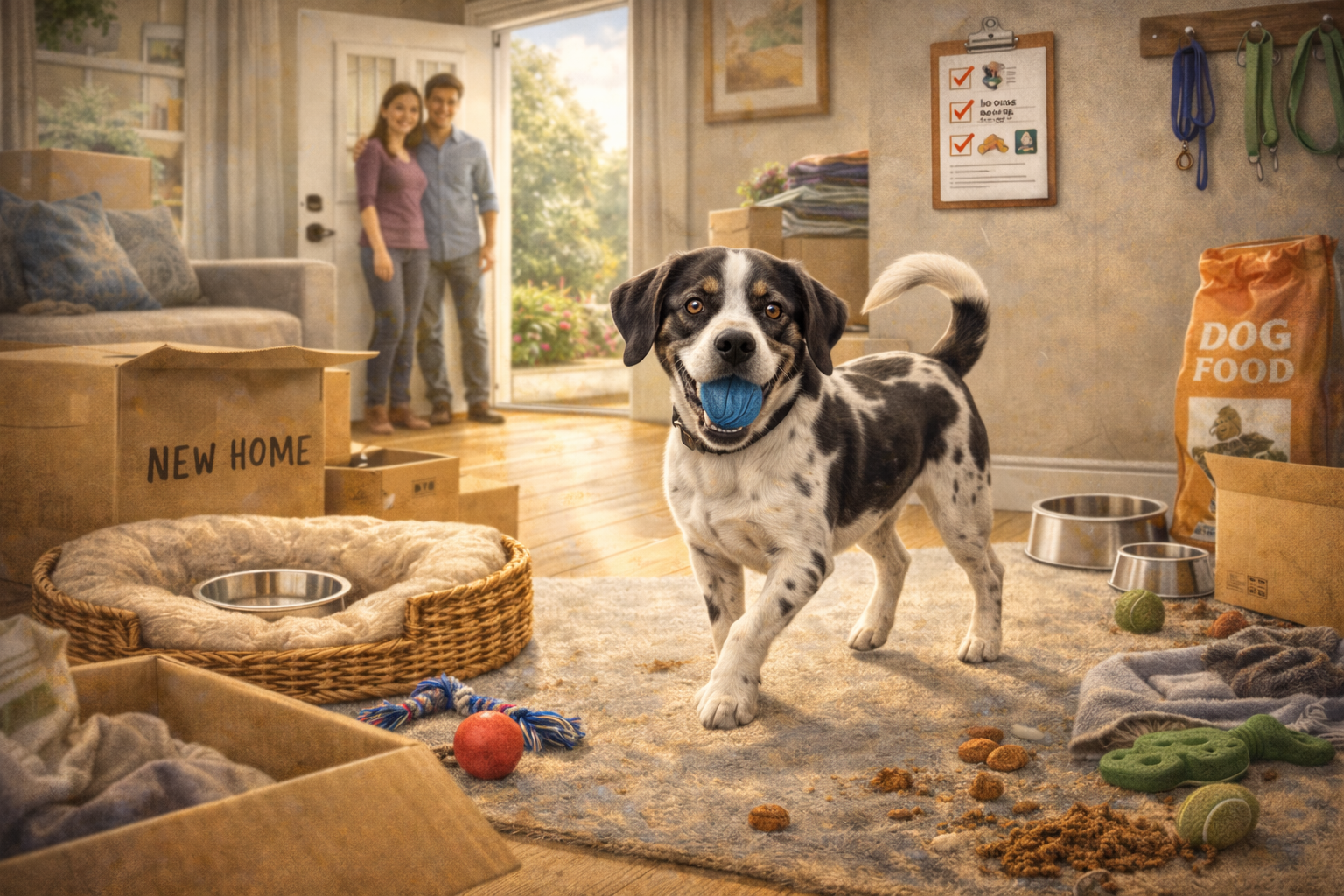
Introducing a New Dog Into Your Home:
Setting the Foundation From Day One
Bringing a new dog into your home is exciting—but it’s also one of the most critical moments in your dog’s entire training journey. The first 48–72 hours determine whether your new dog settles in calmly, learns your rules, and respects your leadership… or whether they start building habits that become hard to undo later.
Most problems people struggle with—reactivity, resource guarding, separation issues, and household chaos—begin on day one because the dog was given too much freedom too fast.
Your goal isn’t to smother them with affection or “let them figure it out.” Your goal is to guide, structure, and teach them how to live successfully in your home.
Below is how I recommend introducing a new dog into your life the right way.
1. Start With Structure, Not Freedom
When a dog enters a brand-new environment, their mind is overstimulated. New smells, new people, new sounds, new routines. Too much freedom right away increases stress and confusion.
What to do instead:
Keep the dog on leash inside the home at first.
Walk them through the environment calmly—no rushing, no exploring everywhere at once.
Don’t allow them to roam freely until they’ve demonstrated calm behavior and respect for boundaries.
Structure creates safety. Freedom is earned.
2. Create a “Home Base” Immediately
Every new dog needs a quiet, secure place where they can decompress. A crate is the best tool for this.
Why:
It prevents overstimulation, builds calmness, and gives the dog a safe retreat. Dogs in new environments often need 2–3 days of decompression before they are truly ready to settle in.
Set up the crate:
In a quiet room or corner
With nothing overstimulating inside (no big piles of toys)
Use it for naps, nighttime, and downtime throughout the day
A calm dog learns faster and bonds deeper.
3. Avoid Overwhelming the Dog With Too Much Affection
Most people accidentally create anxiety by giving a new dog nonstop affection, cuddles, and attention. The dog learns that being glued to you is the norm—and separation issues follow.
Instead:
Keep interactions calm and simple
Give affection when the dog is relaxed, not hyper
Show leadership first, affection second
Dogs thrive under confident guidance, not emotional overload.
4. Establish Household Rules Immediately
Dogs do not “figure out the rules later.” If you don’t set rules early, they start creating their own.
Examples of rules you should set from day one:
No rushing through doors
No jumping on people
No pestering other pets
No begging at the table
No barking for attention
No furniture unless invited
Consistency on day one eliminates problems on day sixty.
5. Introduce Resident Pets the Right Way
This is where many owners make big mistakes.
Do not just bring the new dog into the house and let them run up to your existing pets.
Proper introduction:
Start outside on neutral ground
Both dogs leashed, both dogs moving (movement reduces tension)
Walk them parallel at a safe distance
Allow short, calm sniffing only if both dogs are relaxed
Bring them inside together with the same structured, calm energy
Inside the home, keep the new dog leashed until you’re positive the interaction is safe and low-stress.
6. Don’t Rush the Bond
People want an instant connection, but the strongest bonds come from structure, leadership, and routine—not spoiling the dog. The "3-3-3 rule" is a guideline for the adjustment period of a new rescue dog, suggesting
3 days to decompress, 3 weeks to learn routines, and 3 months to start feeling at home and secure. It's a general timeline that emphasizes the need for patience, consistency, and understanding as the dog transitions into a new environment.
Let the dog settle.
Let trust form naturally.
Let routine build the relationship.
When a dog respects you, they follow you. When they follow you, they feel safe. When they feel safe, the bond grows deeper than anything affection alone can create.
7. Build a Routine Immediately
Dogs rely on predictability. A new dog needs to know:
When they eat
When they walk
When they train
When they rest
When they go outside
When the day starts and ends
A dog with a routine is calmer, more confident, and easier to train.
Final Thoughts
Introducing a new dog properly isn’t about doing “what feels nice in the moment”—it’s about doing what sets the dog up for a lifetime of success. Some dogs adapt quickly, and others take weeks. Neither is wrong. What matters is that you stay consistent. Stick to routines, maintain structure, and reinforce good behavior.
Remember: you’re not just adopting a dog — you’re teaching them how to live in a new world.
Give structure first.
Give clear guidance.
Let the dog decompress.
Earn trust through calm leadership.
Do that, and your dog will integrate into your home smoother, faster, and happier than you ever thought possible.
Dog Training in Tucson, AZ Dog Training in Marana, AZ Training Options
Written by: George Walker
Walkers K9 Services – Tucson, AZ
520-500-7202