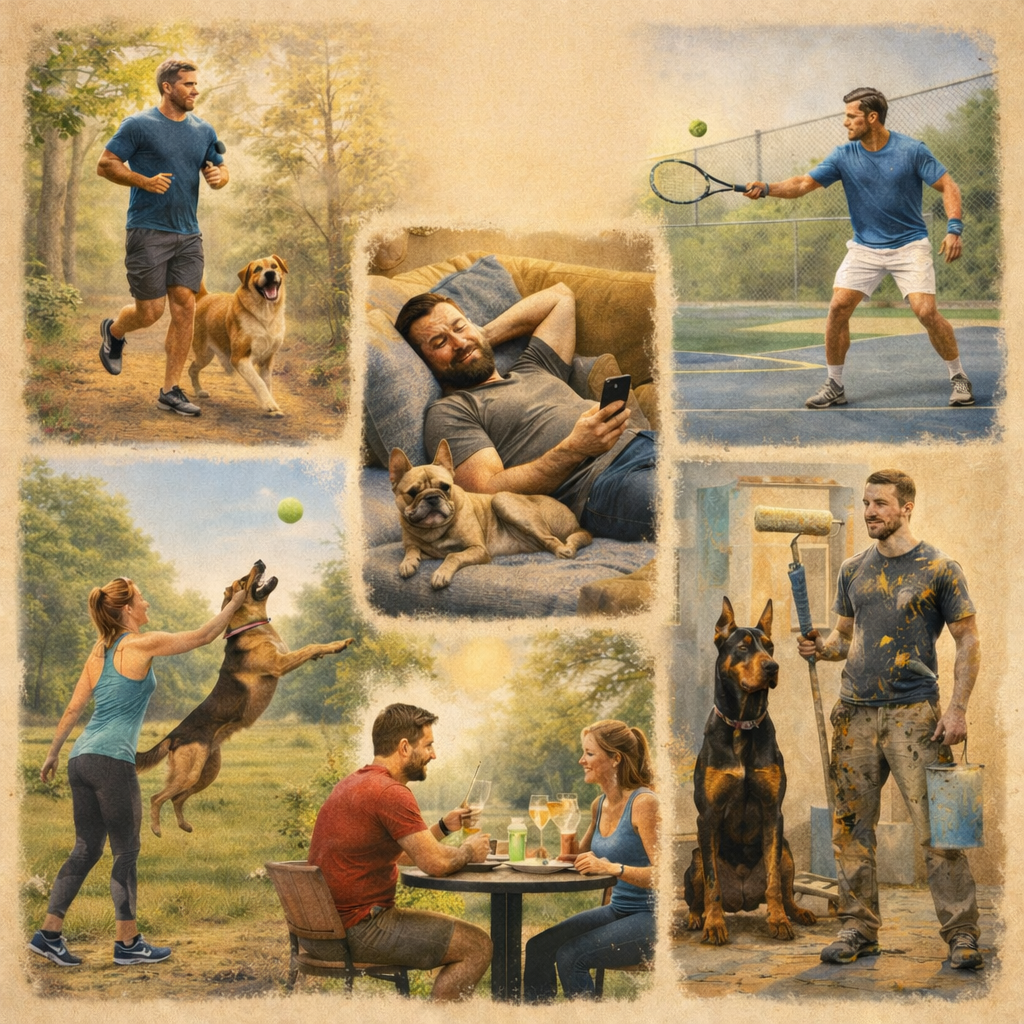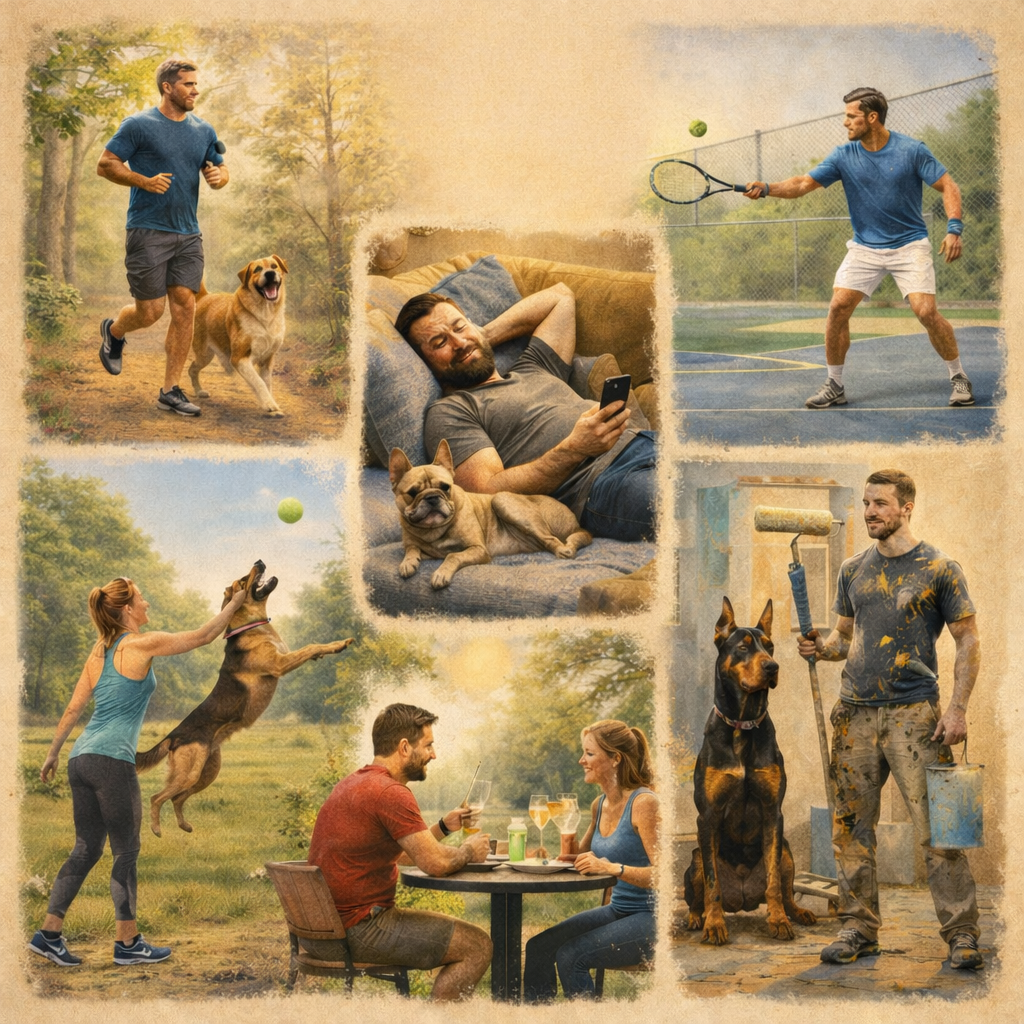
How to Match Your Lifestyle
With the Right Breed
Choosing a dog isn’t just about what looks cute, what you grew up with, or what’s popular on social media. The right breed for you should always be determined by your daily lifestyle, your commitment level, your activity patterns, and your expectations. When a dog’s natural instincts and energy needs align with your home environment, you get an incredible, fulfilling partnership. When they don’t—behavior problems are almost guaranteed.
This guide walks you through the key factors to consider so you can choose a breed that fits your life, not a breed you hope will adapt to it.
Why Matching Matters
Every breed was created for a purpose—herding, guarding, retrieving, tracking, companionship, or scent work. Those instincts don’t disappear just because the dog is living in a modern home.
A dog who isn’t given an outlet for their natural drives becomes frustrated, anxious, destructive, or overly demanding. But when you pick a breed whose instincts complement your lifestyle instead of clashing with it, training becomes easier, behavior stabilizes, and the dog becomes the well-balanced companion you’re looking for.
Section 1: Start With an Honest Look at Your Lifestyle
Your Activity Level
Highly active (running, hiking, daily long walks, outdoor lifestyle):
Consider working or sporting breeds who thrive on movement.Moderately active (short walks, occasional hikes, weekend activity):
Many companion breeds, retrievers, and medium-energy dogs fall here.Low activity (sedentary job, prefer staying home, minimal outdoor activity):
Stick to breeds bred for companionship, calm temperaments, or low stamina.
Your dog’s energy level must match yours—not what you wish it was, or what you think you’ll become after getting the dog.
Your Living Space
Apartment or condo:
Choose breeds that handle confinement well, have lower energy, and are quiet.Suburban home with a yard:
Many breeds can thrive here, but a yard still doesn’t exercise a dog for you.Rural property:
Good fit for high-drive working breeds—but only if you’re willing to train and guide them.
Your Work Schedule
Home most of the day:
Ideal for puppies, velcro breeds, and breeds with separation-anxiety tendencies.Gone 8–10 hours a day:
Choose independent, low-maintenance breeds—or be prepared to hire professional help.Changing or unpredictable schedule:
Avoid dogs requiring intense daily structure to stay stable.
Your Experience Level
First-time dog owner:
Choose breeds known for forgiving mistakes. Avoid high-drive, reactive, or challenging breeds.Experienced owner:
You can consider breeds with stronger working instincts—if you’re ready to meet their mental needs.Trainer or handler background:
Only you truly know what level of working dog you’re prepared to manage.
Section 2: Understanding Breed Categories and Temperaments
Working Breeds
German Shepherds, Belgian Malinois, Rottweilers, Dobermans
Best for: Highly active, structured households
Not for: Busy families or low-exercise lifestyles
These dogs require constant mental stimulation and thrive in jobs, training, and leadership.
Sporting Breeds
Labradors, Golden Retrievers, Pointers, Spaniels
Best for: Active families, outdoorsy lifestyles
Not for: Sedentary households expecting calm behavior
They’re affectionate, smart, but demand daily activity and mental challenges.
Herding Breeds
Border Collies, Australian Shepherds, Corgis
Best for: Extremely active homes, training-focused owners
Not for: Families who want a “chill dog”
They are some of the smartest breeds in the world—but also some of the most intense.
Companion/Toy Breeds
Shih Tzu, Maltese, Pugs, Cavaliers
Best for: Low- to moderate-activity lifestyles
Not for: High-performance expectations
These dogs thrive on human companionship more than physical work.
Guardian Breeds
Cane Corso, Great Pyrenees, Anatolian Shepherd
Best for: Experienced handlers, leadership-heavy homes
Not for: Busy homes with lots of visitors
These dogs require confident guidance and serious boundary-setting.
Section 3: Matching Breed Traits to Real-Life Scenarios
Scenario A: “I want a dog who can relax at home but still go on adventures.”
Ideal matches: Golden Retriever, Lab, Standard Poodle, English Cocker
Avoid: Malinois, Border Collie, high-drive GSDs
Scenario B: “I work long hours and live in an apartment.”
Ideal matches: French Bulldog, Shih Tzu, Chihuahua, Basset Hound
Avoid: Any working, herding, or high-drive sporting breed
Scenario C: “I want a protective dog but don’t have training experience.”
Ideal matches: Consider NO true guardian breeds
Better option: A well-bred Labrador or Golden—they deter strangers without being naturally sharp or defensive
Avoid: Cane Corso, Rottweiler, GSD, Doberman
Scenario D: “I want a dog to train, work, and be active with me daily.”
Ideal matches: German Shepherd (working lines), Dutch Shepherd, Malinois (experienced only), Aussies
Avoid: Low-energy or purely companion breeds
Section 4: Temperament > Looks
The biggest mistake people make?
Choosing a dog based on appearance.
Pretty dogs can still be terrible matches for your home.
Calm-looking breeds can still be intense.
Cute toy breeds can still be stubborn or vocal.
The dog’s temperament—not coat color, size, or social media trend—should guide your decision.
Section 5: Final Checklist — Is This the Right Breed for You?
Before choosing a dog, ask:
Can I meet this breed’s daily energy needs?
Can I handle their natural instincts?
Does my home environment fit the breed’s temperament?
Does my schedule allow for proper training and structure?
Am I choosing this breed for the right reasons?
Is my experience level a good match for the dog’s drive?
If the answer to any of these is “no,” keep looking. You’re not picking a dog for today—you’re picking a dog for the next 10–15 years.
Final Thoughts
Choosing the right breed is one of the most important decisions you’ll ever make as a dog owner. When you align your lifestyle honestly with a dog’s natural instincts, everything—from training to bonding to daily life—becomes smoother and more enjoyable.
Don’t choose based on fantasy. Choose based on reality.
That’s how you build the relationship you’ve always wanted.
Dog Training in Tucson, AZ Dog Training in Marana, AZ Training Options
Walkers K9 Services — Building Better Dogs, One Lesson at a Time
Please support our mission by sharing our training articles with other dog owners.
Written by: George Walker
Walkers K9 Services | Tucson, AZ