How to Make Training a Fun Part of Daily Life
By George Walker, Walker’s K9 Services – Tucson, AZ
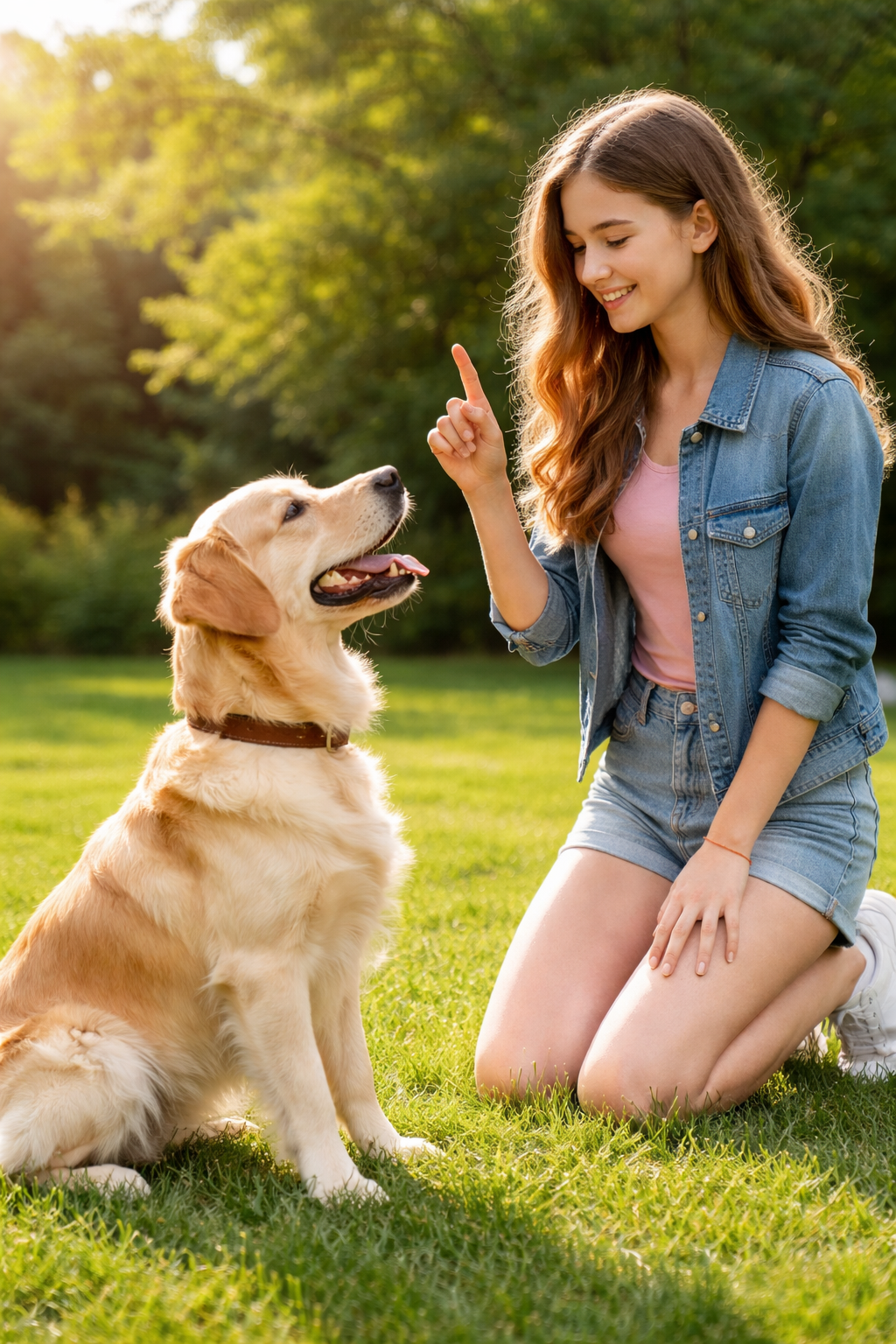
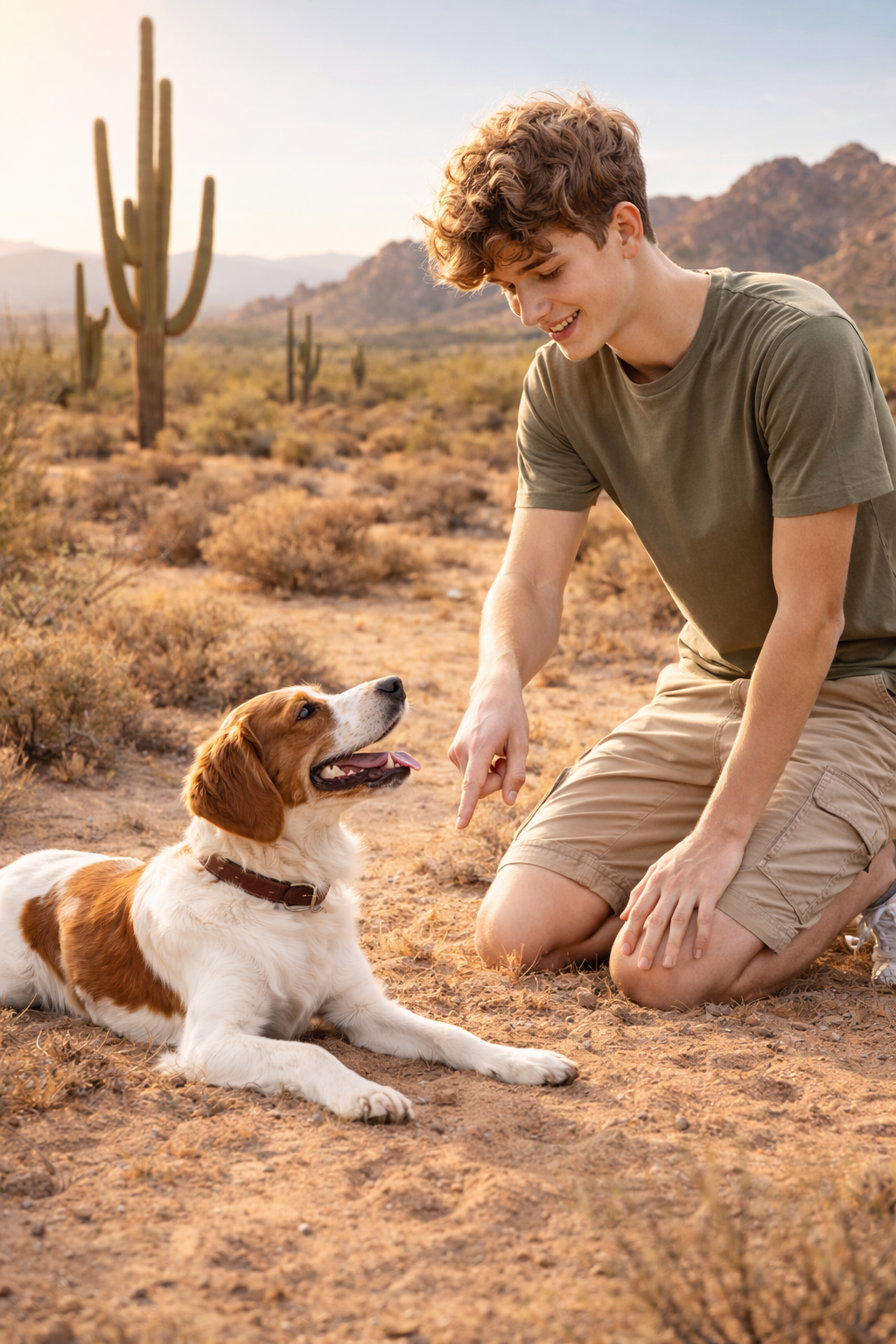
For many dog owners, training feels like a chore—something that requires a special time, a pocket full of treats, and a lot of patience. In reality, the most successful dogs aren’t trained during long, formal sessions. They’re trained through consistent, enjoyable interactions woven into everyday life.
When training becomes part of your routine, it stops feeling like work and starts feeling like a relationship-building activity your dog actually looks forward to.
Shift Your Mindset: Training Isn’t a Session
Training doesn’t begin when you say “let’s train” and end when you put the leash away.
Training happens every time you interact with your dog. Your dog is always
learning—either intentionally from you or accidentally from the environment.
Instead of scheduling one long session per day, aim for many short moments:
Asking for a sit before meals
Practicing a recall in the backyard
Working on place while you cook dinner
These small interactions add up faster—and stick better—than one long drill.
Keep It Short and Positive
Dogs learn best in short bursts. A minute or two of focused work is often more
productive than 20 minutes of repetition.
End on a win. If your dog performs a behavior correctly, stop there and
celebrate it. This builds confidence and keeps your dog eager for the next
opportunity. Training should feel like a game, not a grind.
Use Real Life as Your Training Ground
Your home and daily routine are full of built-in training opportunities:
Doorways: Ask for a sit or wait before opening doors
Leash time: Practice loose leash walking on short trips
Mealtime: Use obedience commands before feeding
Visitors: Reinforce calm behavior instead of chaos
When dogs learn in real-life situations, behaviors become reliable—not just
something they do when treats are present.
Make Yourself the Reward
While food is a powerful training tool, it shouldn’t be the only motivator.
Praise, touch, play, and access to things your dog wants are all
valuable rewards.
A cheerful “good dog,” a quick tug game, or being released to go outside
can be just as reinforcing as a treat. The more your dog values you,
the more engaged and enthusiastic they’ll be during training.
Turn Play Into Training
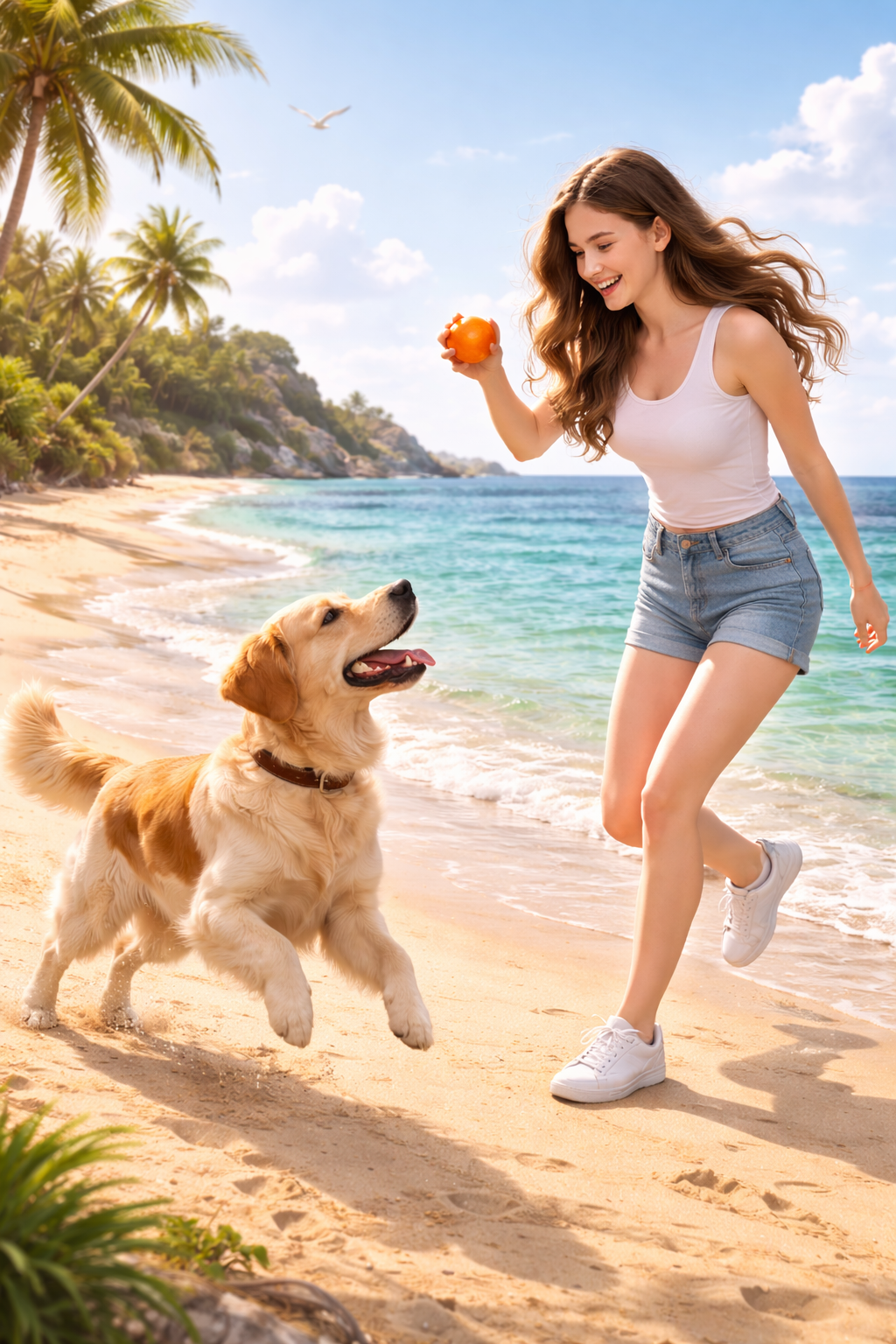
Play and training don’t have to be separate. In fact, combining them
increases motivation and focus.
Ask for obedience before throwing a ball
Use tug as a reward for correct behavior
Practice impulse control during play sessions
This teaches your dog that listening leads to fun—and fun
comes from working with you.
Stay Consistent, Not Perfect
You don’t need to train perfectly every day. What matters is consistency. A few seconds here, a minute there, repeated daily, will outperform occasional intense efforts.
If you miss a day or have a rough moment, move on. Dogs thrive on patterns, not perfection.
Build a Habit, Not a Homework Assignment
When training becomes part of everyday life, it stops feeling like something extra you have to do. It becomes how you communicate, guide, and connect with your dog.
A dog who enjoys training is more engaged, more responsive, and more confident—and an owner who enjoys training is far more likely to stick with it.
That’s how real progress is made.
Dog Training in Tucson, AZ Dog Training in Marana, AZ Training Options
Walkers K9 Services — Building Better Dogs, One Lesson at a Time 🔹
Please support our mission by sharing our training articles with other dog owners.
Written by: George Walker
Walkers K9 Services | Tucson, AZ
📞 520-500-7202