Exercise Needs by Breed and Age
By George Walker, Walker’s K9 Services – Tucson, AZ
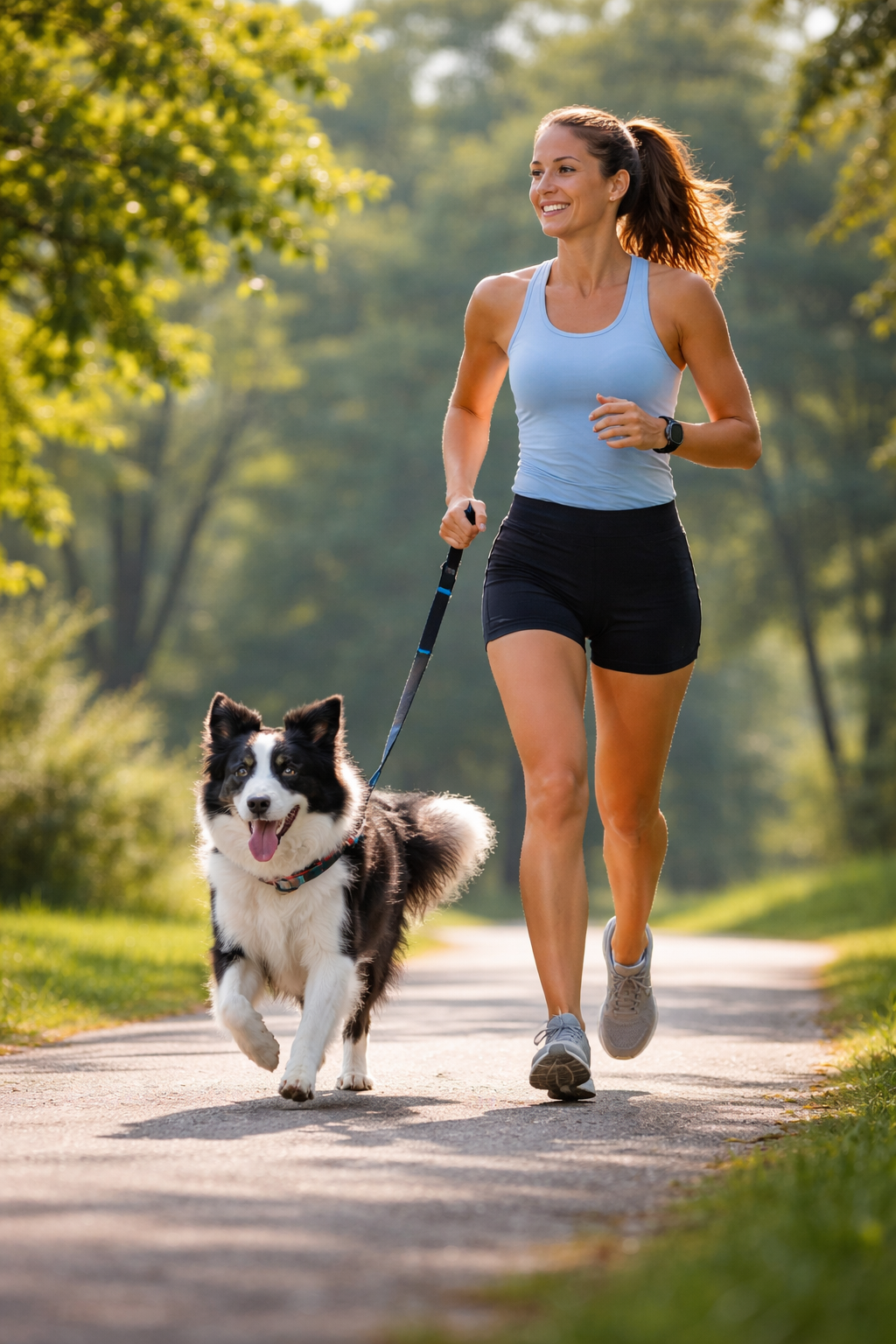
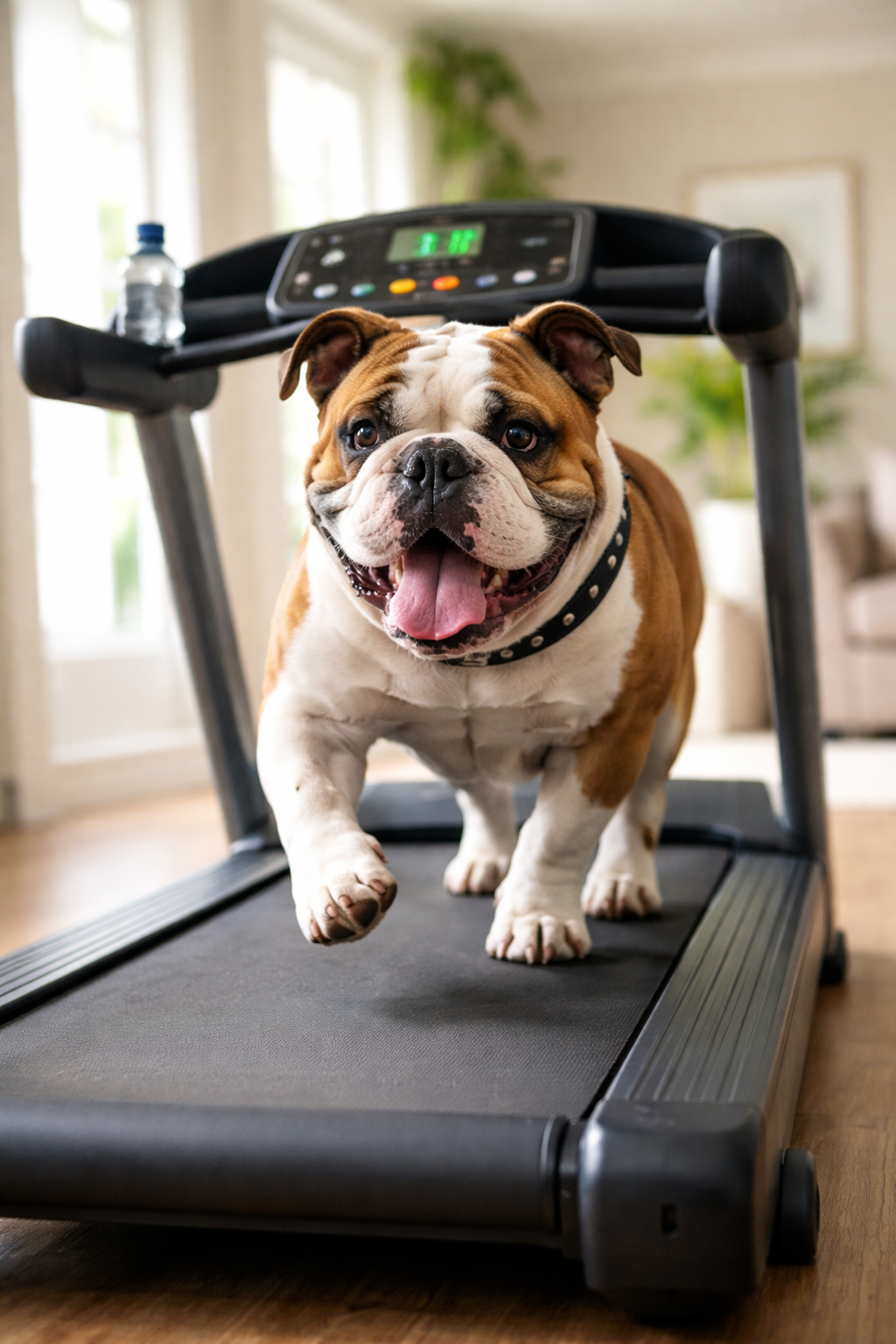
Exercise is one of the most important components of a dog’s overall health and behavior. The right amount—and the right type—of exercise can prevent anxiety, reduce destructive habits, and keep your dog mentally sharp and physically strong. But not all dogs have the same energy levels or needs. Breed, age, and even individual temperament all play a role.
Below is a clear, practical guide to help dog owners understand how much exercise their dogs truly needs.
Why Exercise Matters
Before breaking things down by breed and age, it’s important to understand why exercise matters so much:
Prevents boredom and destructive behavior
Supports joint and muscle development
Reduces obesity and related health conditions
Improves socialization and confidence
Burns mental energy, not just physical energy
Well-exercised dogs learn faster and behave better—it’s that simple.
Exercise Needs by Breed Group
1. Working Breeds (German Shepherds, Belgian Malinois,
Dobermans, Rottweilers)
These breeds have high stamina and strong work drives.
Daily Exercise Recommendation:
90–180 minutes of combined physical and mental exercise
Mix of structured walking, obedience drills, scent work, and problem-solving tasks
Tip: These dogs thrive with jobs. Without purpose, they often develop anxiety or behavior problems.
2. Herding Breeds (Border Collies, Australian Shepherds, Cattle Dogs)
Herding dogs are some of the most energetic breeds on the planet.
Daily Exercise Recommendation:
2–3 hours of very active exercise
Activities like fetch, frisbee, agility, and advanced obedience
Tip: Physical exercise alone is not enough—these dogs need mental work more than most.
3. Sporting Breeds (Labradors, Golden Retrievers, Pointers)
Bred for endurance and field work, sporting dogs love long activity sessions.
Daily Exercise Recommendation:
60–120 minutes
Swimming, retrieving, long walks, or field-style games work best
Tip: Labs and Goldens often hide fatigue—pay attention to overheating, especially in Arizona heat.
4. Terrier Breeds (Jack Russell, Fox Terrier, Bull Terrier)
Terriers are small but packed with drive.
Daily Exercise Recommendation:
60–90 minutes
Fast-paced play, tug games, short training sessions
Tip: Terriers have strong prey drive; structured activity prevents frustration.
5. Toy Breeds (Chihuahuas, Yorkies, Pomeranians)
Small size doesn’t mean they don’t need exercise.
Daily Exercise Recommendation:
30–45 minutes
Short walks and gentle play
Tip: Avoid overexertion—tiny dogs fatigue faster and can overheat easily.
6. Giant Breeds (Great Danes, Mastiffs, Saint Bernards)
Large dogs often have lower stamina.
Daily Exercise Recommendation:
20–40 minutes
Steady, low-impact walks
Tip: Avoid excessive running to protect joints.
Exercise Needs by Age
Puppies (8 Weeks to 6 Months)
Puppies need movement, but not high-impact exercise.
Guideline:
5 minutes of exercise per month of age, 1–2 times daily
Example: A 4-month-old puppy = 20 minutes per session.
Focus on:
Short walks
Controlled socialization
Mental enrichment (puzzle toys, simple commands)
Avoid:
Long runs
Jumping off furniture
Forced endurance exercise
These activities can damage growing joints.
Adolescents (6 to 18 Months)
This is the highest-energy stage of a dog’s life.
Daily Exercise Recommendation:
45–120 minutes, depending on breed
Structured walks, early training drills, gentle fetch, recall games
Note: Growth plates are still closing—avoid sustained running or heavy agility.
Adults (18 Months to 7 Years)
This is the most stable stage.
Daily Exercise Recommendation:
Follows their breed group needs precisely
Include both:
Physical work (walking, play, running)
Mental work (obedience, tracking, puzzles)
Senior Dogs (7+ Years)
Older dogs still need movement—it keeps joints, weight, and mind healthy.
Daily Exercise Recommendation:
20–45 minutes of low-impact activity
Slow walks, swimming, short training refreshers
Tip: Watch for stiffness, slower recovery, or reluctance—adjust intensity accordingly.
Knowing When Your Dog Is Getting Enough Exercise
Your dog is properly exercised when:
They settle calmly indoors
They respond better to training
They sleep well at night
They are less reactive or anxious
They are not pacing, whining, or destructive
A tired mind is just as important as a tired body.
Final Thoughts
Every dog needs exercise tailored to their breed, age, and personality. Remember: mental work counts just as much as physical movement. When you combine both, you create a balanced, well-behaved, and fulfilled canine companion.
Dog Training in Tucson, AZ Dog Training in Marana, AZ Training Options
Walkers K9 Services — Building Better Dogs, One Lesson at a Time
Please support our mission by sharing our training articles with other dog owners.
Written by: George Walker
Walkers K9 Services | Tucson, AZ
📞 520-500-7202