Excitement & Distractions
By George Walker, Walker’s K9 Services – Tucson, AZ
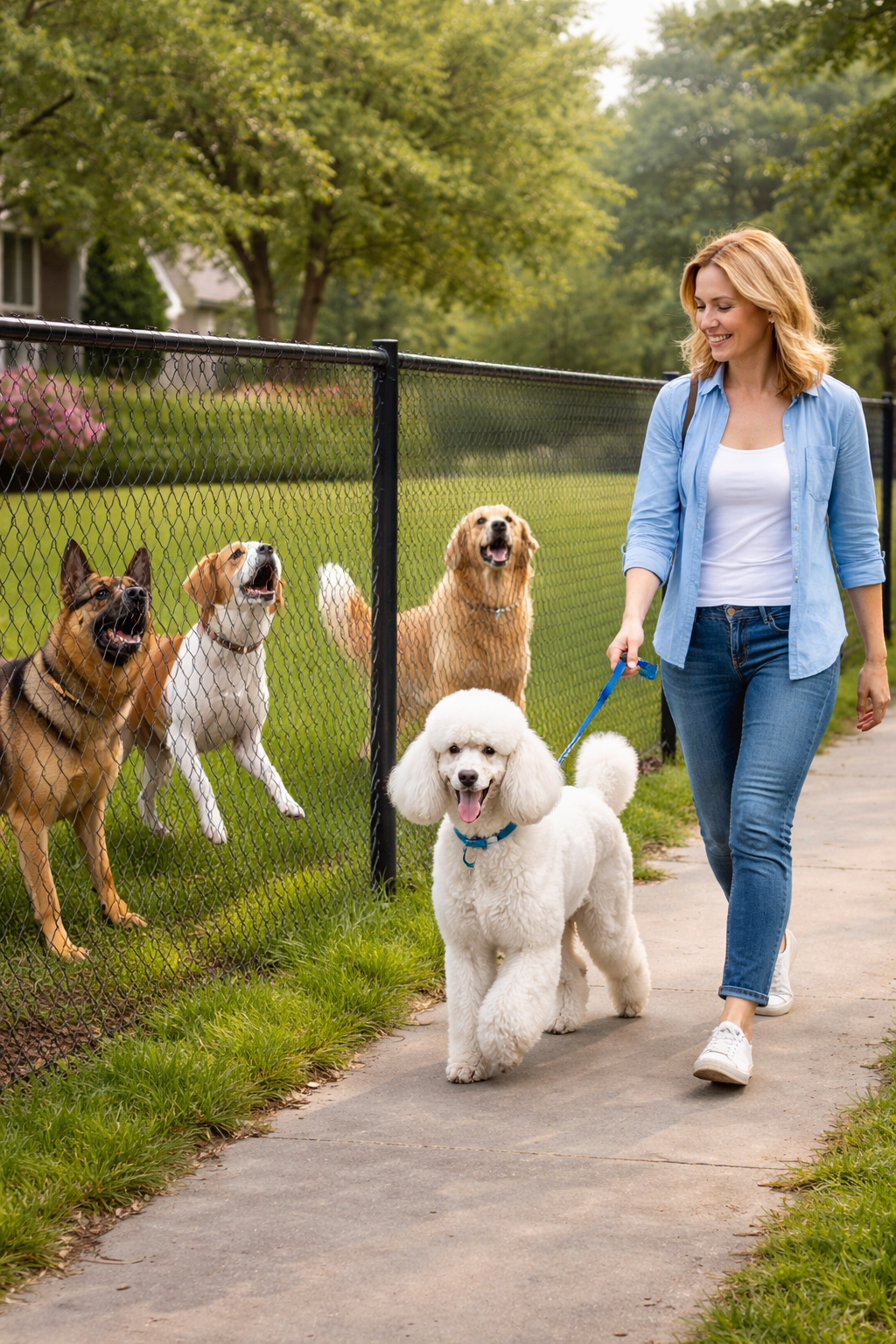
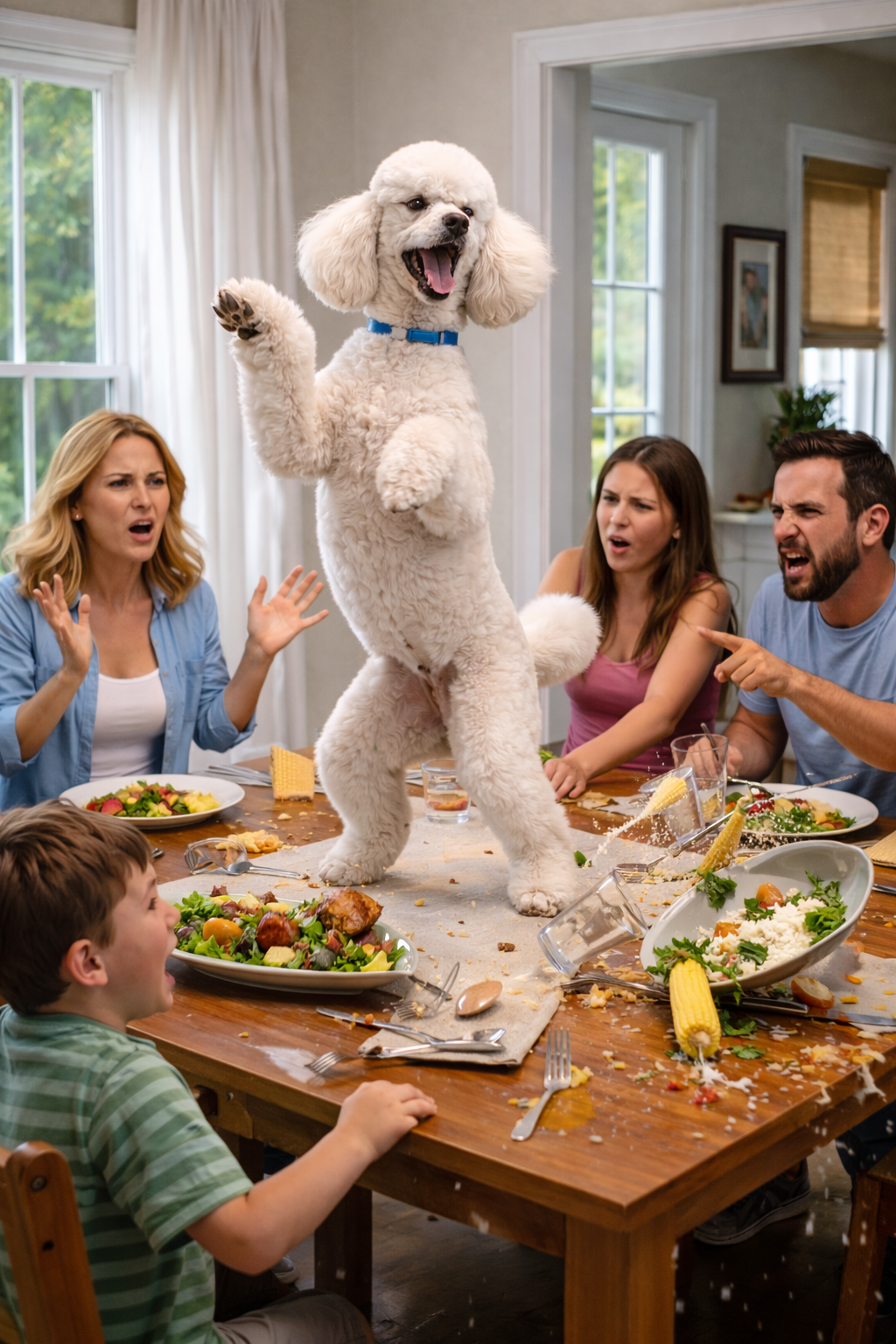
If you’ve ever had a dog who works beautifully in the living room but suddenly “forgets everything” the moment another dog walks by, a ball bounces, or someone tells them they’re a good boy, you’re not alone. Nearly every dog owner hits this wall. The good news? It’s not a sign that your dog is stubborn or untrainable. It’s simply a sign that your training foundation needs to be strengthened under new conditions.
Let’s break down why obedience falls apart during distractions or excitement—and how to fix it.
Why Dogs Lose Their Obedience During Distractions
1. Your dog isn’t actually fluent in the command yet
Many owners believe a dog “knows sit” because the dog does it indoors. But true command
fluency means the dog understands the cue anytime, anywhere, regardless of what’s
happening around them.
Dogs don’t generalize well—just because they sit in the kitchen doesn’t mean they’ll sit
when a skateboard rolls by.
2. Competing motivations take over
Dogs break obedience because something else in their environment becomes more
valuable than your command:
Another dog
A person they love
A loud sound
A smell
A toy
Even praise or petting
If the competing motivation outweighs the training, your dog’s brain simplyshifts to what feels most rewarding or exciting.
3. Praise can actually break the dog’s focus
It is possible for owners to overpraise some excitable dogs. Like everything in dog training, you have to adjust and adapt your praise to suit the particular dog you are working with.
For some dogs, especially young or energetic ones, praise becomes a stimulant. Instead of reinforcing the command, it launches the dog into an excited, impulsive state where they forget what they were doing.
4. The dog has not been taught the working mindset
Dogs need to learn the difference between:
Work mode → focused, steady, responsive
Free time → relaxed, playful, casual
If your dog thinks everything is playtime, obedience falls apart quickly.
How to Fix It
1. Proof the command properly
Teaching a command is only step one. Proofing means practicing that same command:
Around mild distractions
Around moderate distractions
Around heavy distractions
In new locations
During movement
During noise
With people nearby
With dogs nearby
You build this gradually, never jumping from zero distractions to “perform at the dog park.”
2. Use calm, neutral praise if your dog is excitable.
The best praise when training is:
Soft
Steady
Calm
Controlled
If praise makes your dog pop out of the sit, the praise isn’t reinforcing—it’s breaking the behavior.
Tone it down. Pet slowly. Speak softly. Maintain structure.
3. Value alignment: Make YOU the most rewarding thing
For obedience to hold, your dog must see staying in command as more rewarding than whatever is happening around them.
Ways to create that value:
Timely rewards
Clear expectations
Consequences for breaking commands
Consistent follow-through
Using tools appropriately when needed (prong, slip, e-collar… depending on the dog)
A dog that values your guidance will stay in command even when the world gets exciting.
4. Don’t chain commands to excitement
Many owners accidentally turn obedience into an excitement trigger:
“Good boy!! GOOD BOY!! YES, YES!”
Clapping
Bending down
High-pitched squeals
Rough petting
This teaches the dog that commands = hype, not discipline.
Shift your praise style to calm satisfaction, not a pep rally.
5. Teach the dog to stay in drive, but under control
This is a big one.
Some dogs don’t fail obedience because they’re distracted—they fail because they’re too energized to regulate themselves.
Working through controlled arousal is key:
Have them hold a sit while you praise
Have them hold a place while you bounce a ball
Have them heel while you talk excitedly
Have them perform obedience between play sessions
You’re teaching them:
“You can be excited… but you still listen.”
6. Add accountability
If a dog breaks command, gently guide them back every single time.
Not with anger. Not with negativity.
Just consistent, reliable follow-through.
Nothing destroys training faster than a command the owner allows the dog to ignore.
Final Thoughts
Obedience doesn’t fall apart because the dog is bad—it falls apart because the training hasn’t yet been fully developed under distraction, excitement, or pressure. Dogs don’t rise to the occasion; they fall to the level of their training.
You fix it by building structure, proofing your commands, keeping praise calm, and creating a working mindset where listening is more rewarding than anything happening around them.
Dog Training in Tucson, AZ Dog Training in Marana, AZ Training Options
Please help us by sharing our training articles.
Written by: George Walker
Walker’s K9 Services – Tucson, AZ
520-500-7202