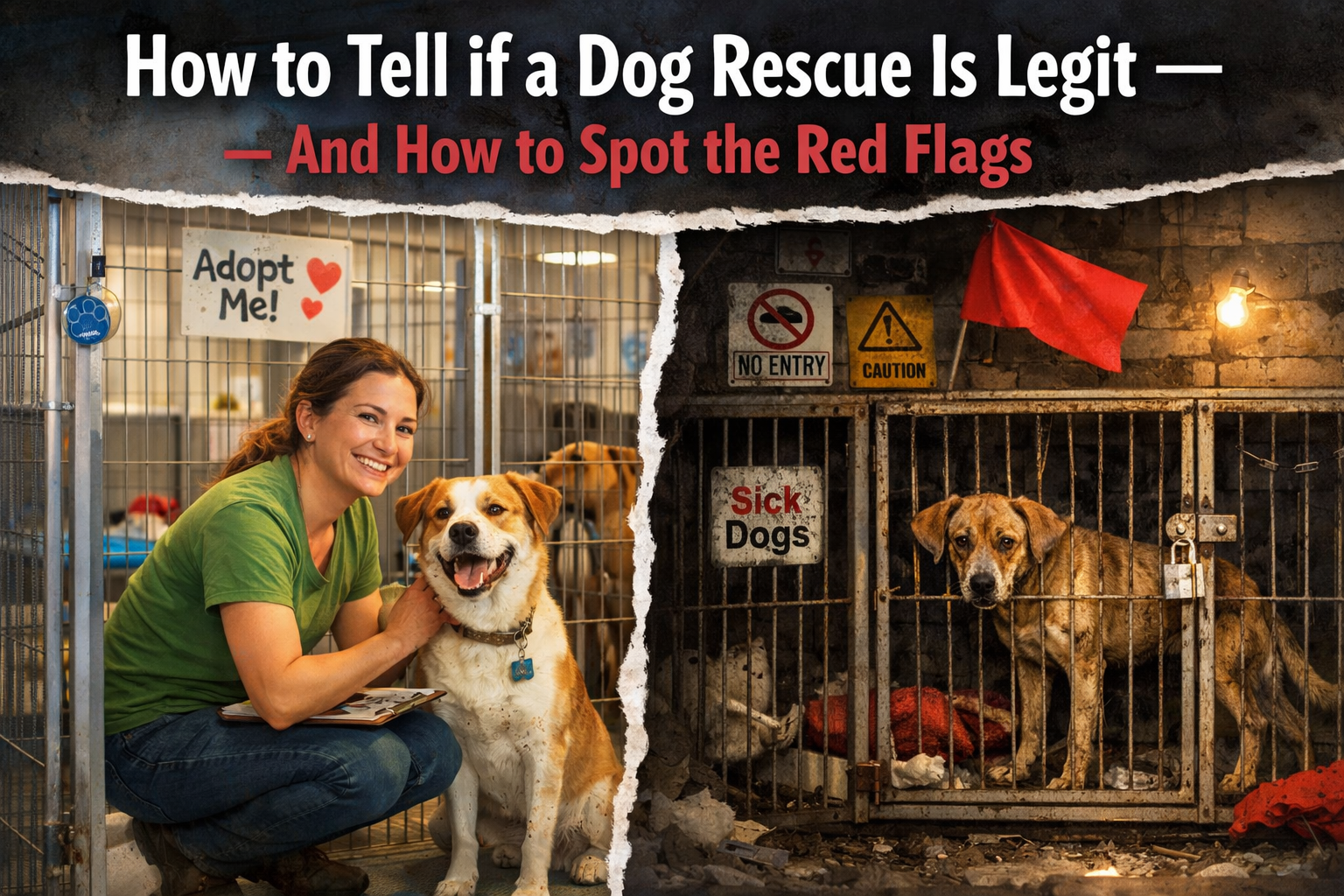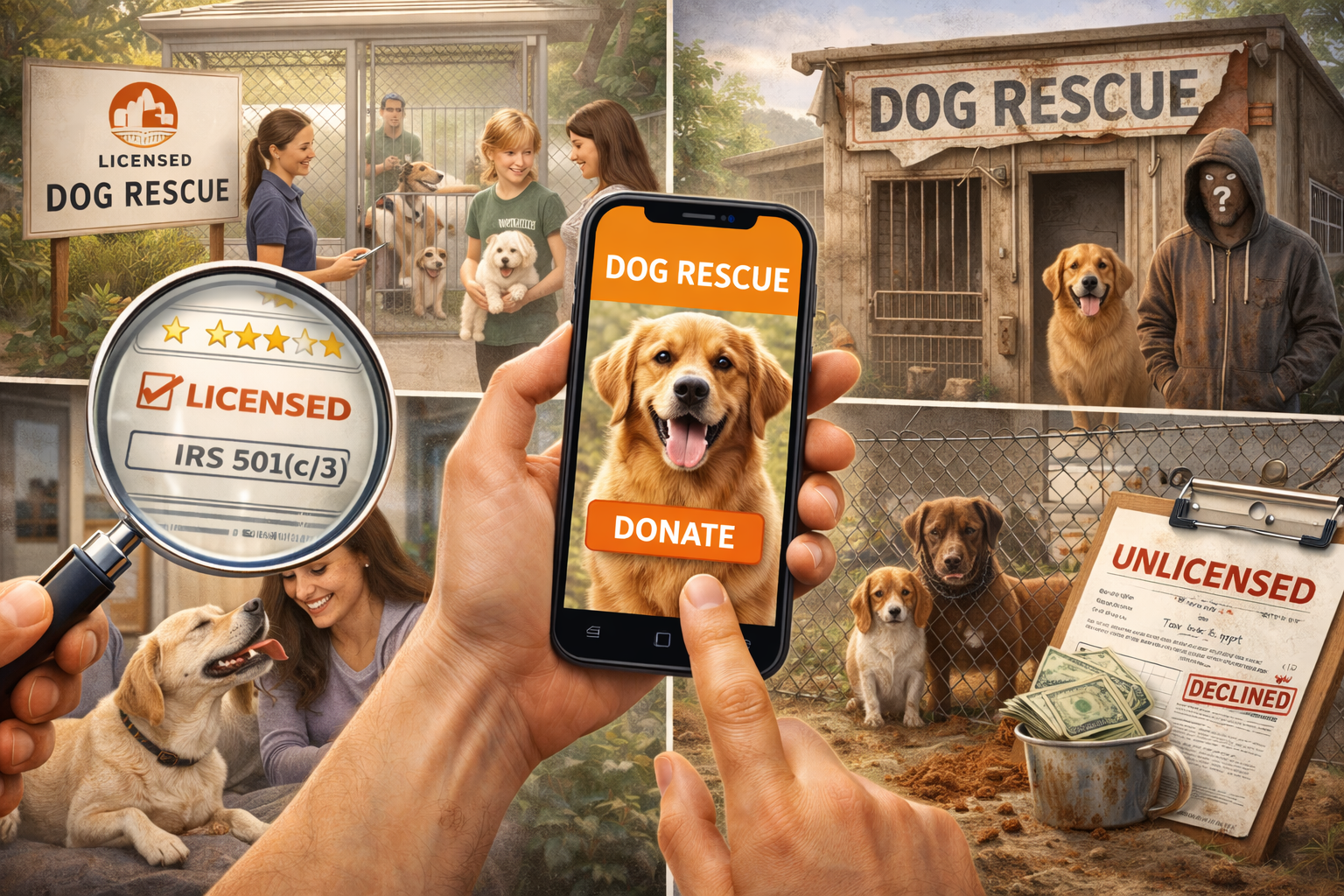
How to Tell if a Dog Rescue Is Legit — And How to Spot the Red Flags
By George Walker, Walker’s K9 Services – Tucson, AZ
Choosing the right animal shelter is one of the most important steps you’ll take before bringing home a new dog. Not all shelters operate the same way, and finding one that provides proper care, honest assessments, and transparent adoption practices will set you and your new companion up for success. This guide walks you through the key things to look for when evaluating an animal shelter before adopting.
Why Evaluating a Shelter Matters
Adopting a dog is a long-term commitment. A reputable shelter plays a crucial role in:
Giving you accurate information about the dog
Helping match you with a dog suited to your lifestyle
Ensuring the animal has received proper medical and behavioral care
Providing support after adoption
A well-run shelter increases your chances of adopting a healthy, stable dog who fits your home and expectations.
1. First Impressions of the Facility
When you first walk in, pay close attention to how the shelter feels.
Cleanliness and Smell
A good shelter doesn’t need to look brand new, but it should be:
Clean and sanitary
Free of strong odors
Organized, not chaotic
Strong urine or feces smells can indicate poor cleaning protocols and high stress among animals.
Noise and Stress Levels
Dogs will bark, but extreme noise levels or dogs pacing frantically in every kennel may signal chronic stress or lack of enrichment.
Staff Attitude and Professionalism
You want to see:
Friendly, knowledgeable staff
Volunteers who are engaged and attentive
A willingness to answer questions honestly
A genuine interest in helping you find the right match
If staff seem rushed, disorganized, or uninterested, that’s a red flag.
2. Quality of Animal Care
A shelter dedicated to proper animal welfare should meet certain standards.
Medical Care
Ask about:
Vaccination schedules
Spay/neuter policies
Deworming
Flea/tick prevention
Veterinary partnerships
A reputable shelter can tell you what medical care each animal has already received and what still needs to be done.
Behavioral Assessment
Shelters should do basic behavior evaluations, even if limited. Look for:
Notes about temperament
How the dog reacts to handling
Reactions to other dogs
Any known behavior issues
Training or enrichment activities
A shelter that provides zero behavioral insight is not setting you up for success.
Living Conditions
Kennels should have:
Clean water
Bedding
Daily cleaning
Enrichment toys where appropriate
Overcrowded facilities may struggle to provide proper care.
3. Transparency and Honest Communication
Good shelters tell you what you need to know—not just what you want to hear.
What They Should Be Upfront About
Medical issues
Behavioral concerns
Bite history
Past training or lifestyle
Known triggers or fears
Reason for surrender (when known)
If a shelter hides information or gives vague answers (“He’s fine,” “She just needs love”), be cautious.
4. Adoption Matching Process
A reputable shelter won’t push you into adopting the first dog you meet.
Good Signs
They ask questions about your lifestyle
They try to match you with the right dog, not the dog that’s been there longest
They allow multiple visits
They offer meet-and-greets with your current pets
They encourage a trial period or offer adoption counseling
Red Flags
Pressure to adopt quickly
No screening or questions for adopters
No willingness to take the dog back if it doesn’t work out
A good shelter’s goal is long-term placement success, not speed.
5. Post-Adoption Support
Great shelters stay connected even after you take your dog home.
Look for Shelters That Offer:
Follow-up calls
Training resources
Discounted vet care or microchipping
Behavior support
Return policies if the match isn’t right
Access to trainers or behavior specialists
A shelter that supports you after adoption demonstrates true commitment to the animals’ wellbeing.
6. Reviews and Reputation
Before visiting in person, check:
Google reviews
Social media pages
Community comments
Rescue forums
Look for patterns. A single bad review isn’t a deal-breaker, but repeated issues with transparency, animal health, or dishonest practices should give you pause.
7. Key Questions to Ask the Shelter
Here are some powerful questions to help you evaluate any shelter:
How long has this dog been here?
Has the dog ever shown aggression or been involved in a bite incident?
What medical care has the dog received?
Has the dog been evaluated around children, cats, or other dogs?
Can I spend one-on-one time with the dog?
What do you know about the dog’s surrender history?
Do you offer post-adoption support?
What training or enrichment does the dog get daily?
The more transparent the answers, the better.
Final Thoughts
Choosing the right shelter is just as important as choosing the right dog. A well-run, transparent facility increases the likelihood of finding a dog who fits beautifully into your life. Take your time, ask questions, and trust your instincts. When a shelter is doing things right, you’ll feel it—and so will your future dog.
Dog Training in Tucson, AZ Dog Training in Marana, AZ Training Options
Walkers K9 Services — Building Better Dogs, One Lesson at a Time
Please support our mission by sharing our training articles with other dog owners.
Written by: George Walker
Walkers K9 Services | Tucson, AZ
📞 520-500-7202